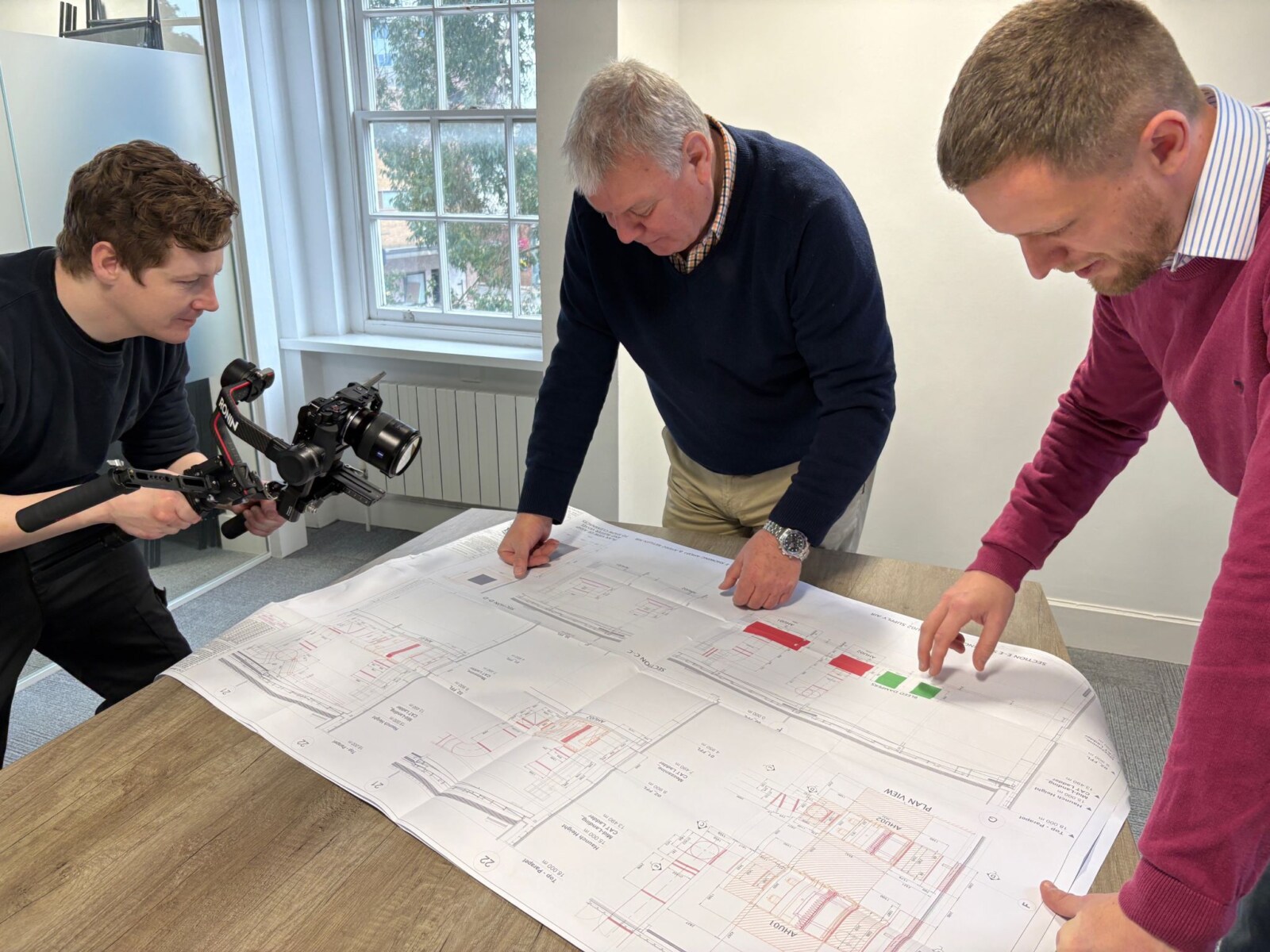
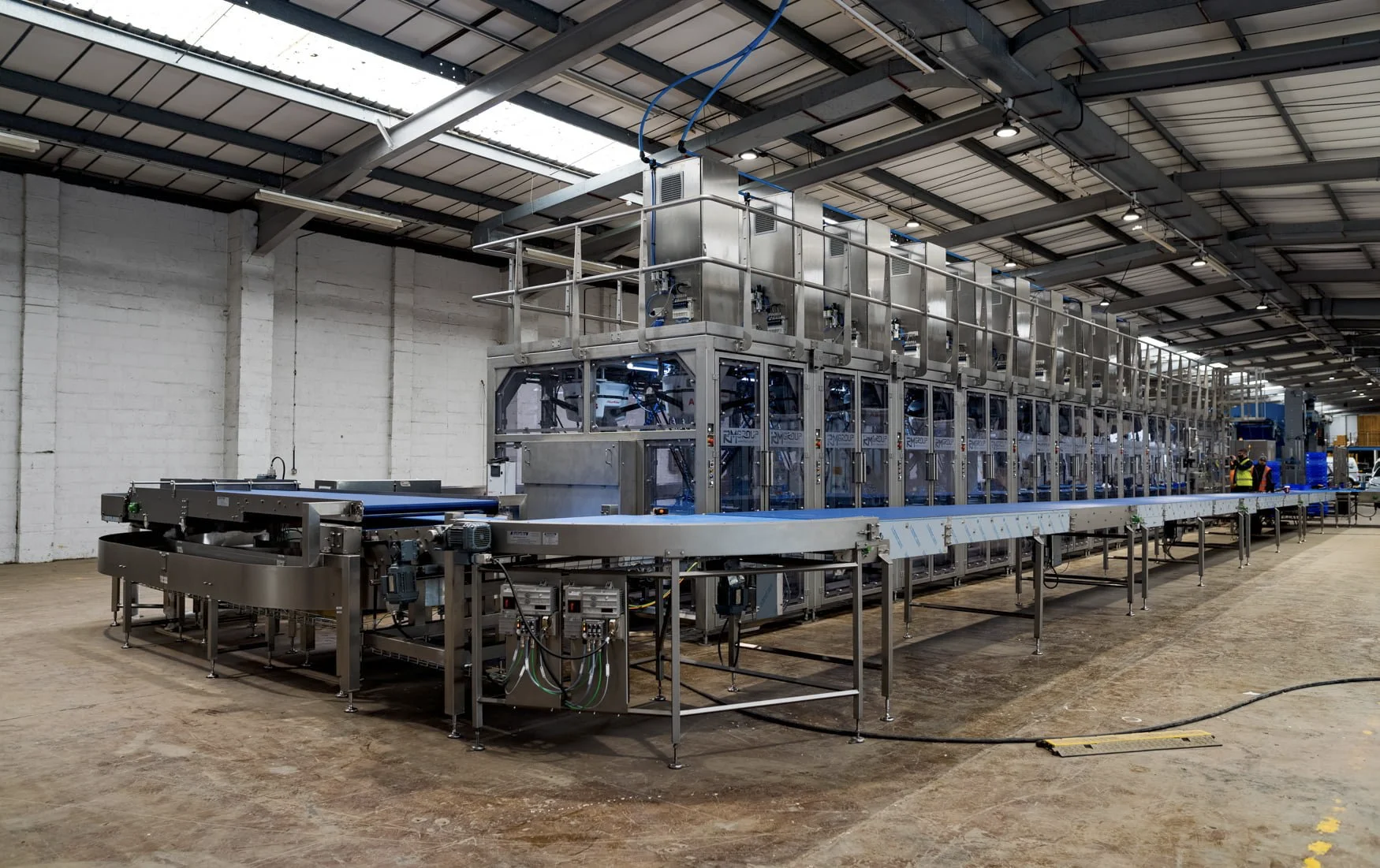
For many manufacturing businesses, the hardest part of business development is not finding potential customers. It is helping the right prospects understand, quickly and confidently, what the factory can actually deliver. Industrial capability is often spread across machinery lists, certifications, drawings, case studies and conversations with different specialists. A well-planned manufacturing video brings those proof points together so business development teams can qualify opportunities faster and give serious prospects a clearer reason to continue the conversation.
Make the first conversation more informed
A first enquiry rarely arrives with every technical detail in place. A prospective customer may know the outcome they need but not understand which process, material or production route will achieve it. The business development team then has to translate an incomplete brief into an internal question: can we make this, at the required quality, volume, timescale and cost?
Manufacturing video can give that conversation useful context before a sales call takes place. Instead of relying on broad claims such as “advanced facilities” or “high-quality production”, a short film can show the flow of work, the people responsible for key decisions, and the checks that protect consistency. This helps a prospect ask better questions and helps the commercial team identify whether the opportunity matches the factory’s real strengths.
Show capability without turning the film into a catalogue
The strongest business development films are selective. They do not attempt to show every machine, department and product. They focus on the evidence that matters to the intended buyer. For one audience, that might be repeatable tolerances and inspection points. For another, it could be flexible batch sizes, clean material flow or the ability to move from prototype to production without losing control.
That editorial focus is important because a prospect is usually trying to answer a small number of practical questions. Can this supplier handle our specification? Will the process remain controlled as volume increases? Who will solve problems when the programme changes? A carefully structured film gives each answer a visual anchor. It can move from incoming materials to production, inspection and dispatch while explaining why each stage matters.
Give business development a reusable proof asset
Once a film has been produced, it can support far more than a website homepage. Business development teams can use it after an introductory call, inside a tender response, during a technical presentation or as a follow-up to a site visit. It also gives different team members a shared way to describe the operation, reducing the risk that capability is explained differently by sales, engineering and operations.
This is particularly valuable when a company sells to several industries. The core footage may remain consistent, while introductions, voiceover or supporting edits can emphasise the requirements of each market. A prospect in aerospace may need confidence in traceability and inspection. A product developer may care more about collaboration and design-for-manufacture input. The same factory can be made relevant to both audiences when the message is planned around their decisions.
Connect the film to a credible customer journey
Video works best when it has a clear place in the wider marketing journey. A business development page can introduce the film with a concise explanation of the problems the company solves, then guide visitors towards a relevant next step. Internal supporting content, such as an article on reducing supplier approval risk, can answer a deeper question for visitors who are already comparing potential partners.
The film can also sit alongside evidence that helps a technical buyer move from interest to evaluation. A link to making cross-site standards stick shows how visual communication can support consistency beyond a single sales message. For visitors who are thinking about investment, change or scale, an article about keeping factory projects on track offers another relevant route into the site. These links are most useful when they appear at the point a reader naturally wants more detail, rather than as a disconnected list.
Measure whether the asset is helping qualification
Business development teams should judge a manufacturing video by the quality of the conversations it creates, not only by view counts. Useful signals include whether prospects arrive with more specific questions, whether unsuitable enquiries are identified earlier, and whether sales teams spend less time explaining basic processes. Tracking visits to the film page, engagement with calls to action and assisted enquiries can add useful evidence, but qualitative feedback from sales and engineering is just as important.
A practical review process can ask three questions after the film has been in use for a few weeks. Which moments do prospects mention? Which objections still appear in calls? Which technical explanations are still being repeated manually? The answers reveal where a future cut, short technical edit or supporting article could make the customer journey clearer.
Turn factory knowledge into commercial momentum
Manufacturing video gives business development teams a way to make capability tangible before a prospect commits to a meeting, sample or tender. When the story is built around real buyer decisions, the result is more than an attractive tour of the facility. It becomes a practical qualification tool: one that sets expectations, demonstrates control and gives the right prospects confidence to take the next step.
For manufacturers competing on trust, responsiveness and technical judgement, that early clarity can be a genuine commercial advantage. The more accurately a film reflects the way the factory works, the easier it becomes for a potential customer to recognise a strong fit.