Manufacturing safety procedures are often well written, carefully approved and regularly reviewed. The challenge is making sure those procedures remain visible in the moments when people are working at pace, responding to change or passing knowledge between shifts. Manufacturing video gives environment, health and safety teams a practical way to show what good practice looks like in the real conditions of the factory, rather than leaving critical guidance as text that is read once and filed away.
A well-planned film can connect policy with behaviour. It can show the route through a work area, the correct sequence for a task, the points where a risk changes and the small checks that prevent a minor deviation becoming an incident. Used thoughtfully, video does not replace training, supervision or risk assessment. It strengthens them by giving teams a consistent visual reference that can be revisited whenever a process, person or production environment changes.
Show the safe system in its real setting
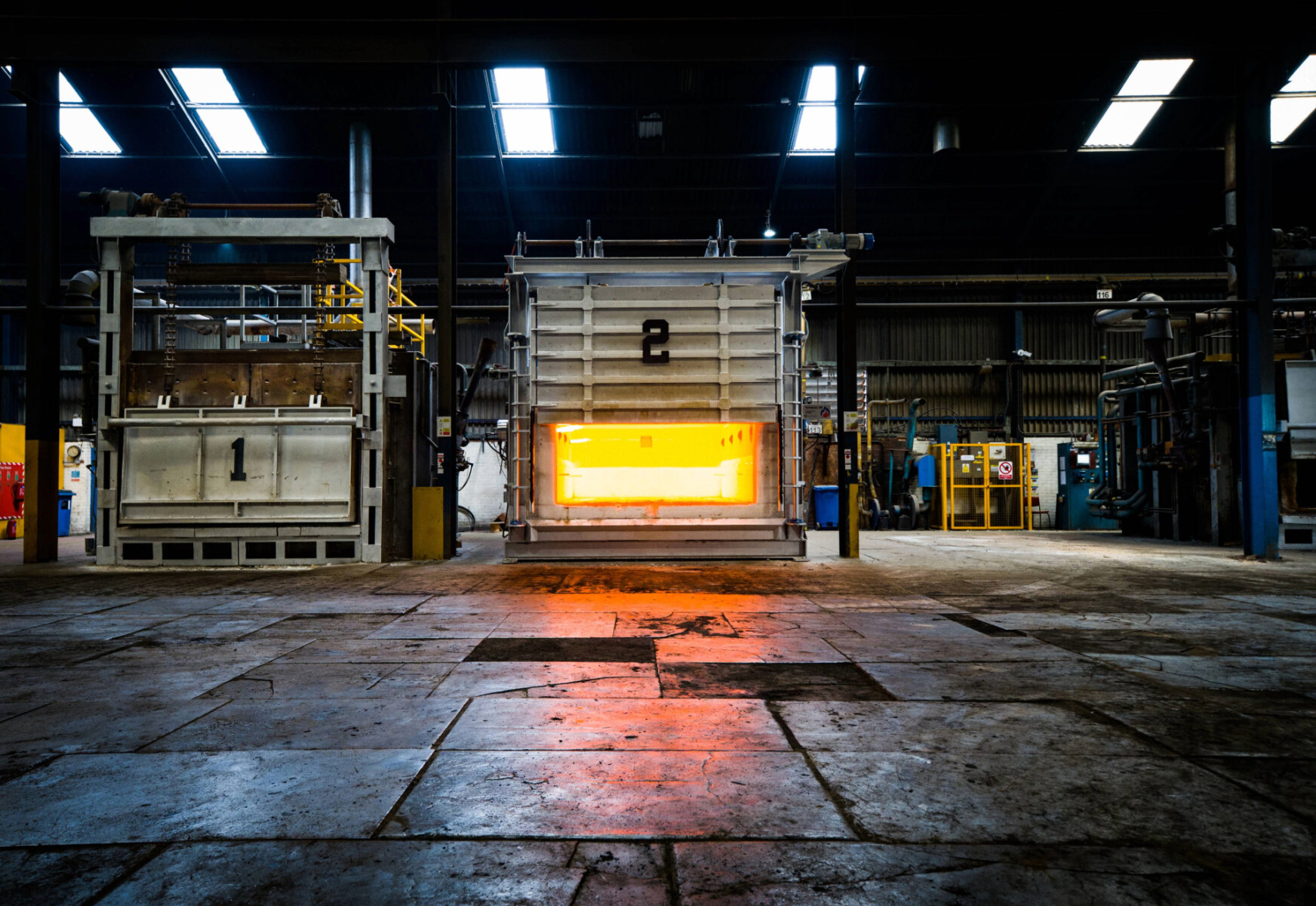
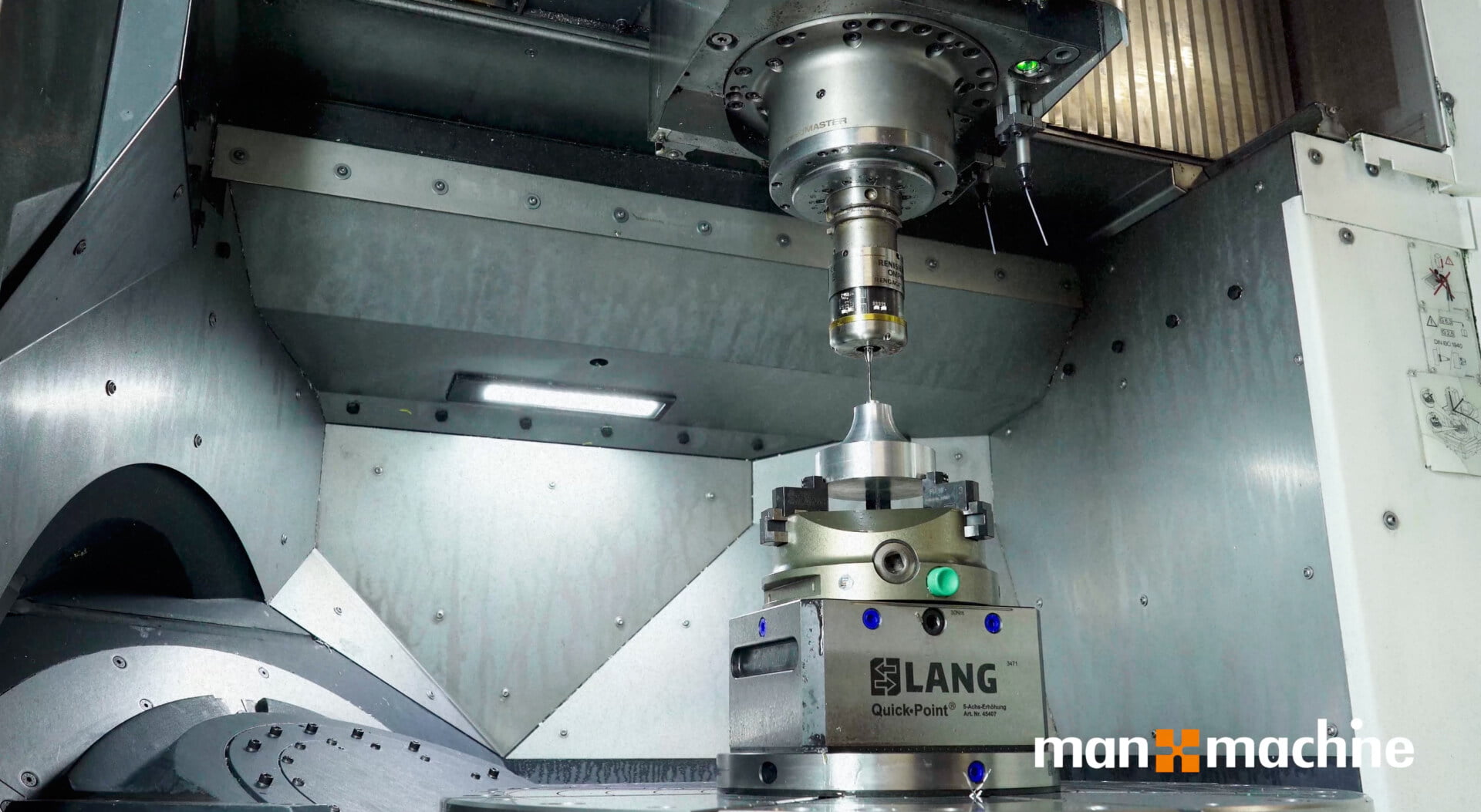
Written procedures are essential, but they cannot always capture the practical detail that experienced operators notice instinctively. A camera can make that detail explicit: where someone stands before a machine starts, how a guard is checked, where materials are placed, how pedestrian and vehicle routes interact, and what a normal handover sounds like. Filming in the actual workplace also reveals the context around the task, including lighting, noise, restricted access and the visual cues that help people make good decisions.
That context matters when a business is onboarding new colleagues, introducing contractors or standardising work across more than one site. Rather than asking every trainer to explain the same procedure from memory, an EHS team can use a clear reference film as a shared starting point. The strongest videos are specific enough to be useful but structured so they can be updated when equipment, layout or responsibilities change.
Turn risk controls into memorable actions
Safety communication becomes more effective when it focuses on decisions and actions, not just warnings. A short sequence can demonstrate how to isolate energy, confirm a safe state, use the right personal protective equipment and pause when conditions are no longer as expected. It can also show the difference between an acceptable shortcut and an unsafe one, helping viewers understand why the control exists rather than treating it as another rule to remember.
This approach is especially valuable for tasks that are infrequent, complex or shared across departments. Visual examples reduce ambiguity and give supervisors a common language for coaching. When a near miss or audit finding identifies a weak point, a focused video update can reinforce the lesson across the relevant teams. It becomes part of a wider improvement cycle rather than a one-off communication exercise.
Support induction, refresher training and handovers
Induction works best when people can connect the company’s expectations with the place where they will actually work. A site-specific film can introduce the layout, emergency arrangements, restricted areas and everyday standards before a new starter begins a supervised task. Follow-up clips can then cover the details of individual processes, allowing face-to-face time to concentrate on questions, observation and competence.
Video also supports more consistent learning between shifts. A practical guide to safer, more consistent work can be used by team leaders as a prompt, while recordings of critical handover points preserve the reasoning that can otherwise be lost when experienced people move roles. That makes it easier to revisit the right information without pretending that one film can replace a qualified trainer.
Make change management easier to follow
New machinery, revised layouts and updated materials can introduce risk even when the underlying process appears familiar. Before a change goes live, EHS teams can use video to explain what is different, why it matters and which behaviours must change. Filming a walkthrough with the people who designed or operate the new system can make the change feel practical and credible, especially when it answers the questions that written notices often leave open.
The same footage can help managers communicate change without creating disruption. A clear visual explanation gives production, maintenance and quality teams a shared reference, while short targeted edits can be distributed to the people affected by one particular change. This complements a broader approach to communicating operational change, where timing, ownership and reinforcement matter as much as the announcement itself.
Build evidence of learning and improvement
Good safety video should have a defined job. Before filming, the team should agree whether the result is for induction, task demonstration, contractor briefing, leadership communication or a corrective action. That decision shapes the length, language, interview style and distribution plan. It also gives the business a way to judge whether the film is helping: are questions clearer, are observations more consistent, and are people applying the control in the right place?
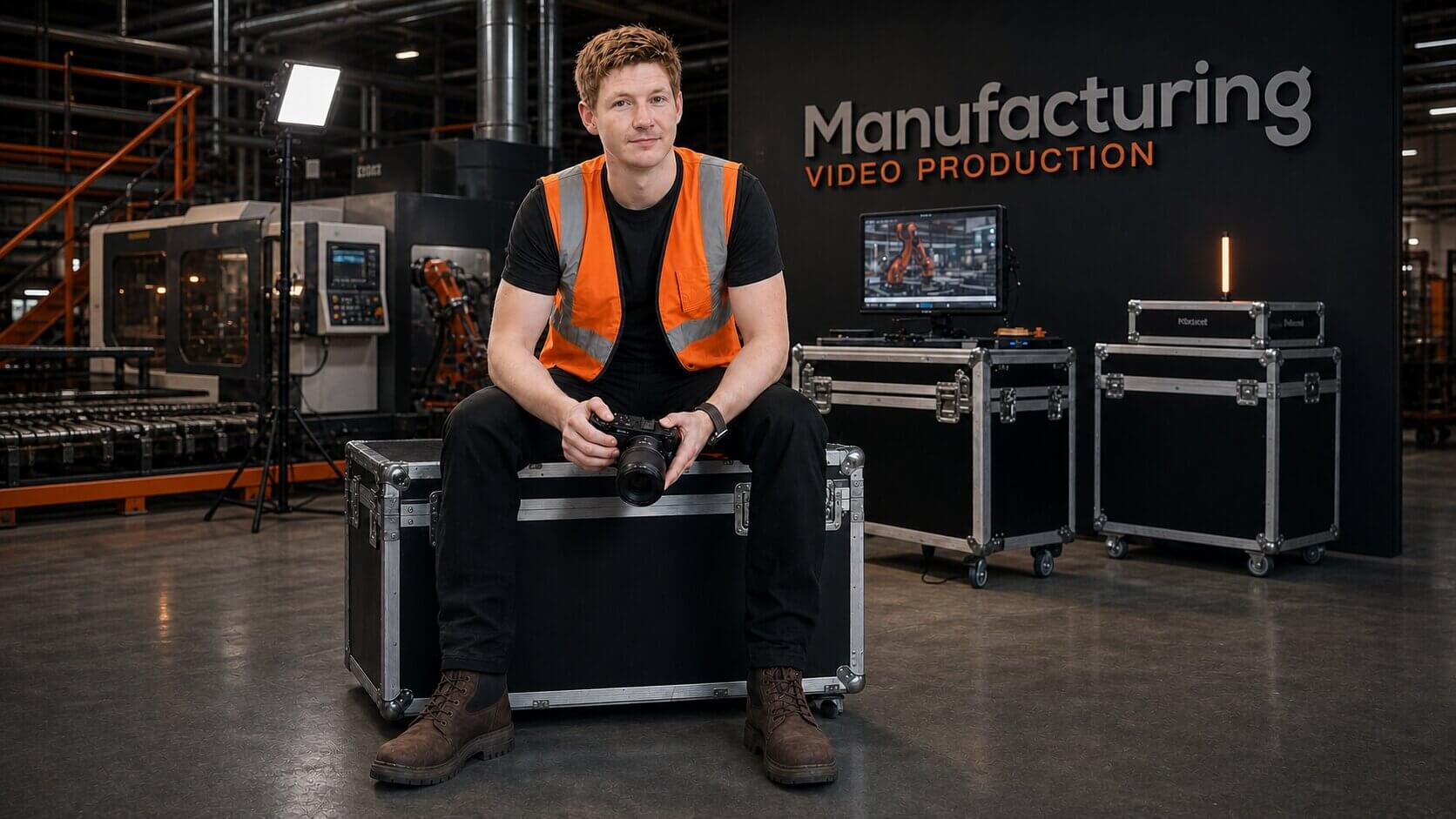
Production should be planned with the same care as the process being filmed. Protect confidential information, use appropriate permissions, avoid staging unsafe behaviour and keep the camera team aligned with site rules. Show the people who understand the work, not just polished machinery. When the finished film reflects real expertise and real conditions, it can sit alongside audits, toolbox talks and standards as a durable part of the safety system. It can also support the wider goal of making quality and standards visible in everyday work.
For EHS leaders, the opportunity is straightforward: use manufacturing video to make safe practice easier to see, discuss and repeat. The result is not simply more engaging communication. It is a clearer connection between the system the business has designed and the decisions people make on the factory floor.