
Engineering leaders are often asked to move quickly while making decisions that depend on detail. A new line, a revised process or a complex product launch may involve design, production, quality, maintenance, procurement and commercial teams. Each group understands a different part of the picture, but progress slows when that knowledge stays in separate meetings, documents and systems.
Manufacturing video gives technical teams a practical way to make that knowledge visible. It can show how a process works, why a design choice matters and where a handover needs more attention. The value is not simply that video is easier to watch than a long report. A well-planned film creates a shared reference point that people can revisit when they need to make a decision, brief a colleague or explain a change to another site.
Turn specialist knowledge into a shared engineering story
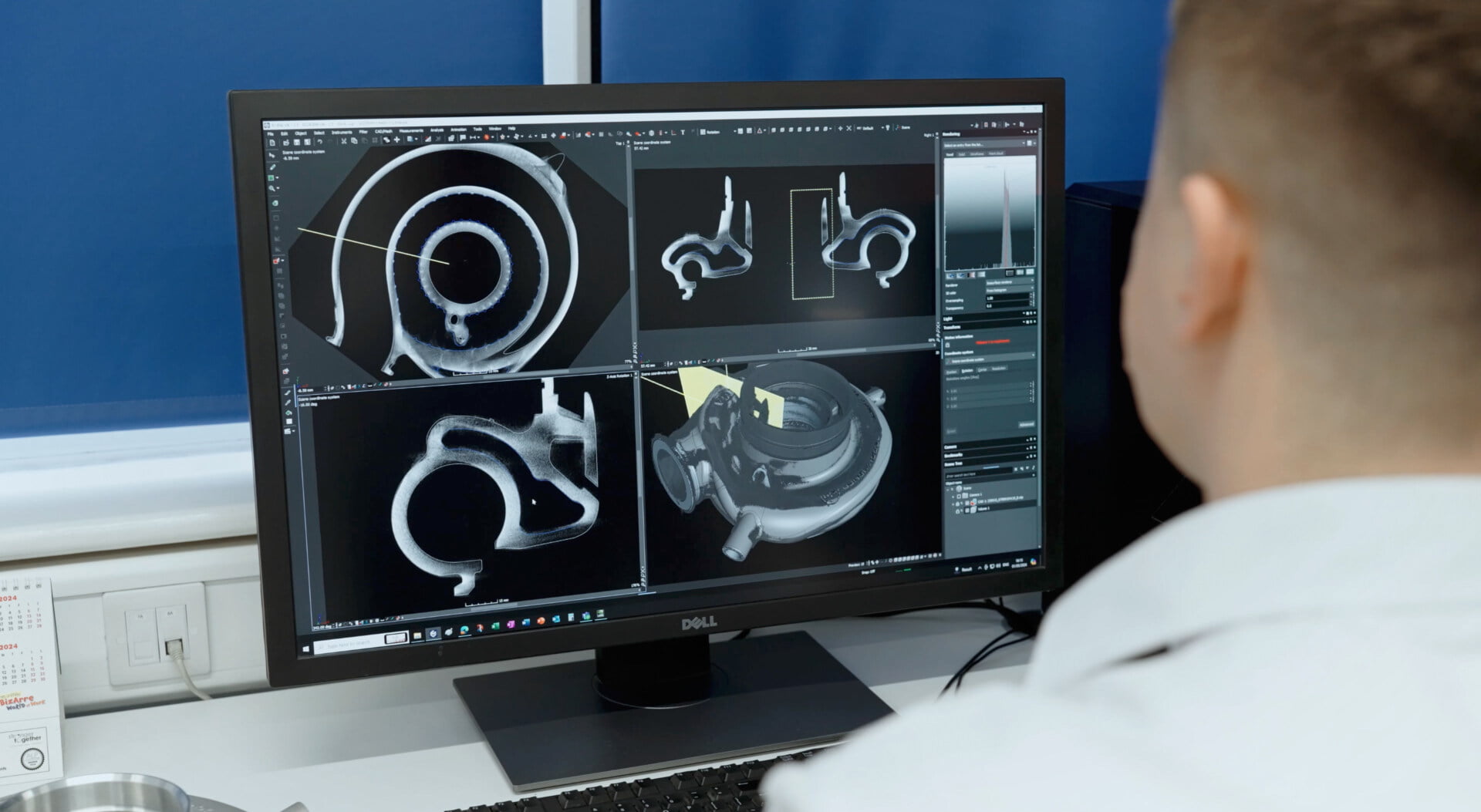
Much of a manufacturing organisation’s expertise is difficult to describe in a standard presentation. Experienced engineers notice small changes in sound, movement, material behaviour and operator technique. Those details may be obvious on the factory floor but difficult to capture in a specification or meeting note. Video can preserve the sequence and context around them, helping other teams understand not only what happens, but why it happens in that order.
This is particularly useful when a project includes people who do not work beside the process every day. A concise visual explanation can connect a design decision to the production reality behind it. Instead of asking every stakeholder to interpret specialist language independently, the team can discuss the same footage and identify the same constraint. That shared understanding makes technical alignment more concrete and reduces the chance that an important assumption remains hidden.
For engineering leaders, the result is a clearer conversation. Questions can be raised against something visible, decisions can be recorded with greater confidence and new participants can be brought up to speed without repeating every earlier discussion. The film becomes a working communication asset rather than a one-off piece of corporate content.
Show the connection between design intent and factory reality
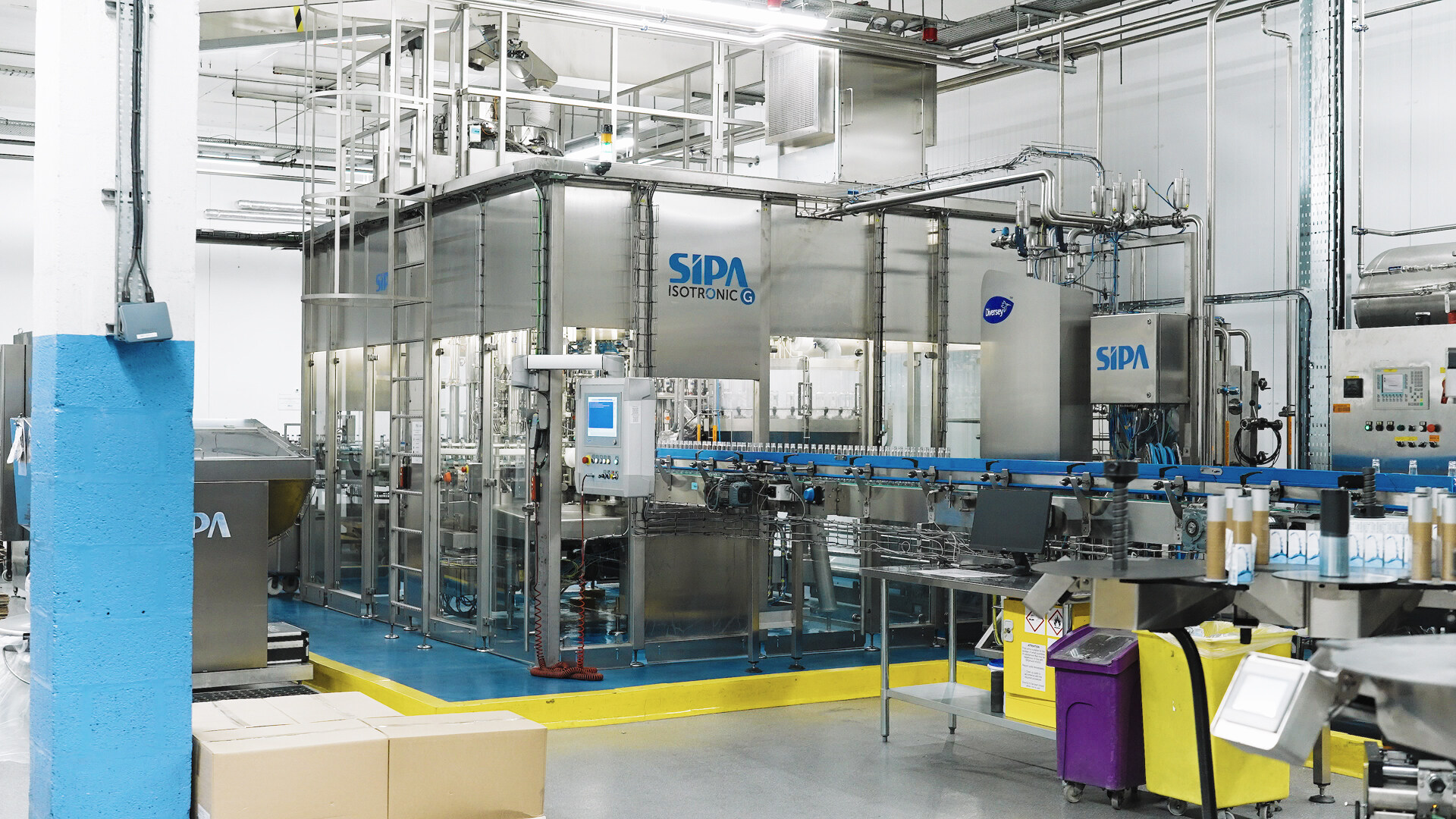
Design intent can be lost as a project moves through departments. A drawing may communicate dimensions and tolerances, while an operator understands the practical sequence needed to achieve them. A manufacturing video can place those perspectives together by showing the equipment, the people using it and the checks that protect the intended outcome.
That connection matters during launches, process changes and equipment upgrades. Teams can see where a new method fits into the existing flow, what preparation is required and which points deserve extra verification. When the film is planned around the decisions stakeholders need to make, it can answer useful questions before they become delays: What changes on the line? What stays the same? Where does quality responsibility sit? What evidence demonstrates that the change is working?
Visual evidence also helps leaders communicate across locations. A process recorded clearly at one facility can support a structured discussion with another site, provided the film explains the principles as well as the local details. This supports the kind of consistency explored in standardising decisions across multiple sites, while still leaving room for local operating conditions.
Use video to make handovers more reliable
Engineering projects frequently pass through several handovers: design to production, installation to operations, commissioning to maintenance and technical development to commercial teams. Each handover creates a risk that context will be simplified or an important caveat will disappear. A focused film can reinforce the written record by showing the condition, sequence and expected behaviour of the system.
The strongest handover content is specific. It might include a controlled walk-through, a demonstration of critical settings, an explanation from the subject-matter expert and close-up views of the details people need to recognise. It should be structured around future use, so a viewer can quickly find the part relevant to a question rather than watching an unedited site tour.
This approach complements practical knowledge-management work. A video that captures why a process is performed in a certain way can support preserving critical knowledge during shift handovers. It gives incoming teams an accessible starting point and helps experienced staff spend their time on judgement, coaching and improvement rather than repeating basic explanations.
Build a production plan around the decision to be made
Engineering video is most effective when the communication job is agreed before filming begins. The team should identify the audience, the decision they need to make and the evidence that will help them make it. From there, a filming plan can prioritise the right locations, operators, process stages and supporting interviews.
That discipline prevents a common problem: collecting attractive footage without a clear narrative. A polished shot of machinery can create interest, but it does not necessarily explain capability, risk or value. The production should gather enough visual detail to make the subject credible, then edit it into a sequence that gives the viewer a logical route through the technical story.
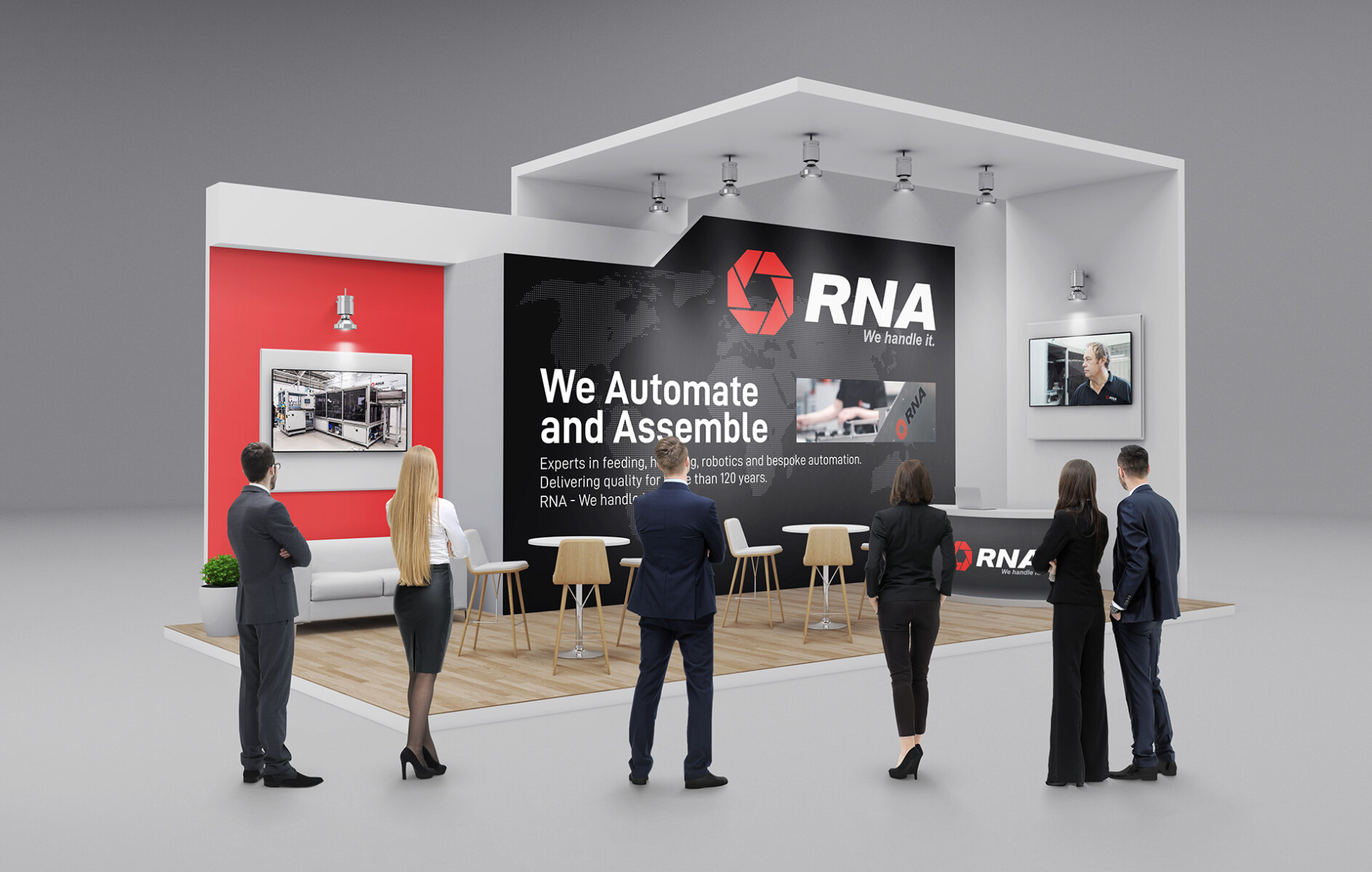
It is also worth planning for different uses from the start. One core production may support an internal project briefing, a customer-facing explanation, a training resource and a sales conversation, provided each version respects its audience. The same principle applies when helping technical buyers see quality before production begins: the film should reveal the evidence that matters to the viewer, not simply repeat the company’s claims.
Make alignment a measurable project outcome
When a manufacturing video is tied to a real engineering objective, its impact can be observed in practical ways. Teams may reach decisions with fewer clarification meetings, onboard new stakeholders faster or reduce repeated explanations during a change programme. The film can also give leaders a consistent way to communicate progress, making it easier to compare understanding across functions and sites.
The most valuable outcome is often confidence. People can see how a process operates, understand the reasons behind a technical choice and recognise what good performance looks like. That shared confidence helps engineering leaders move projects forward with fewer avoidable misunderstandings. In a sector where delivery depends on many connected decisions, a clear visual story can turn specialist knowledge into momentum.