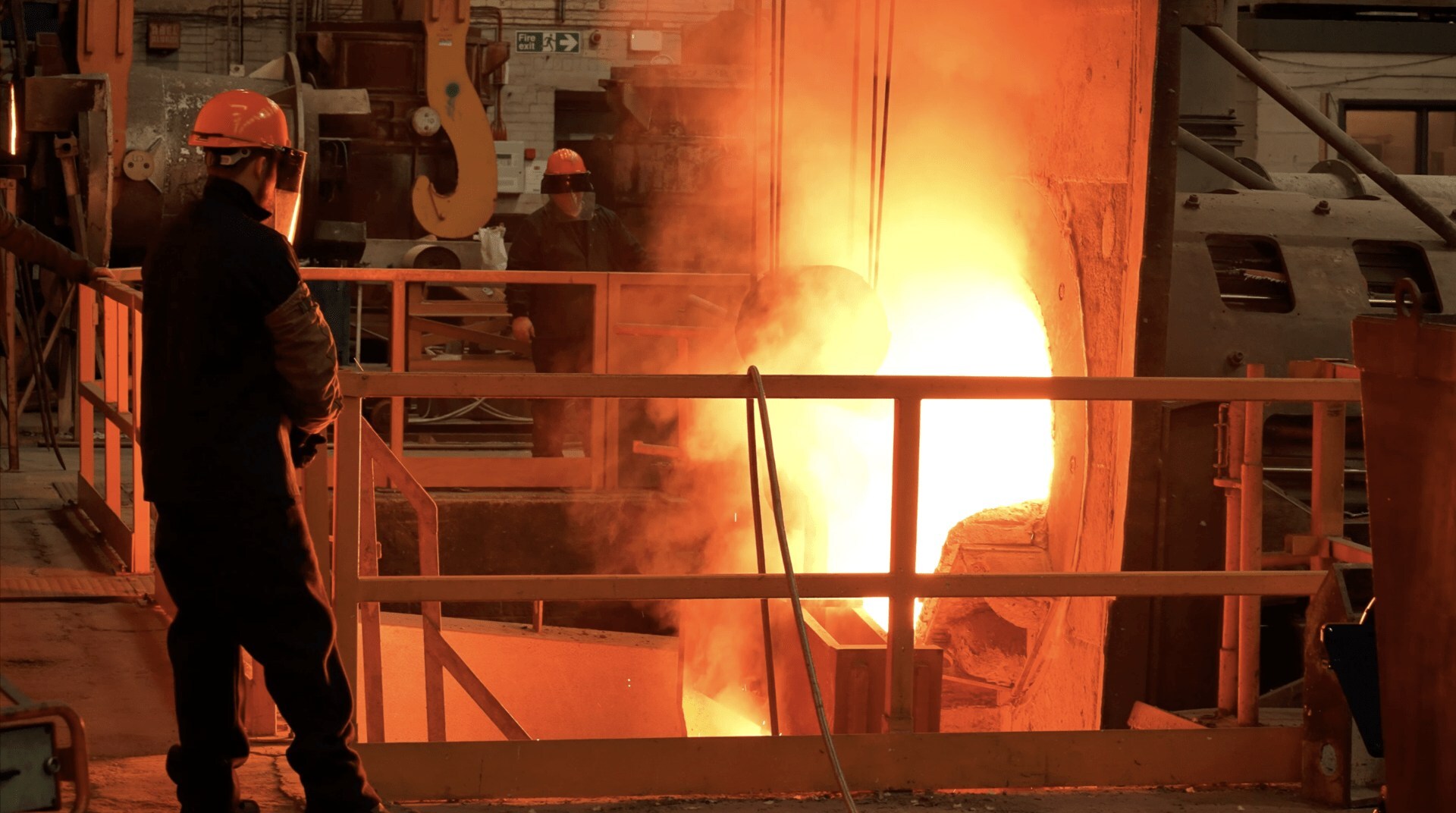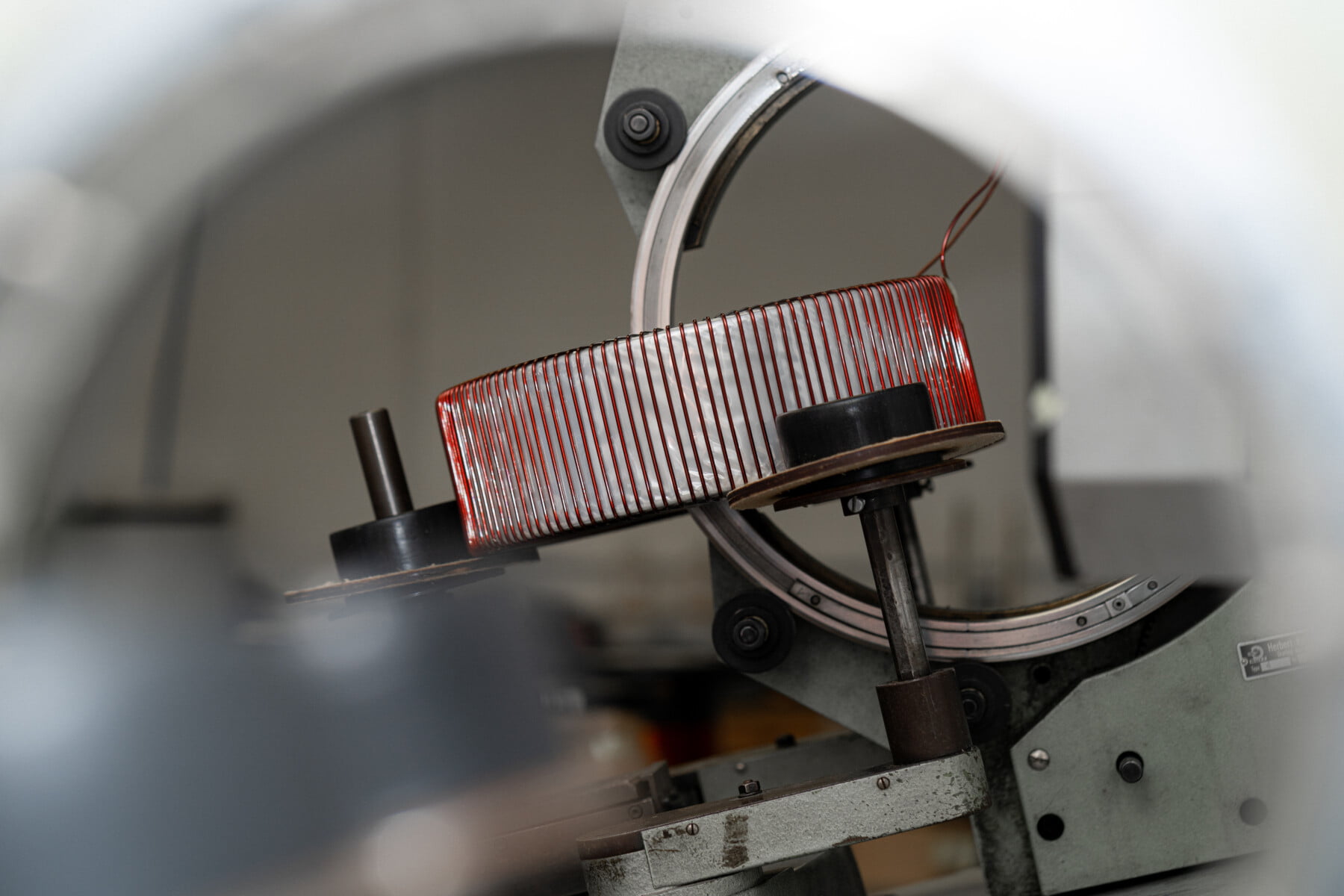
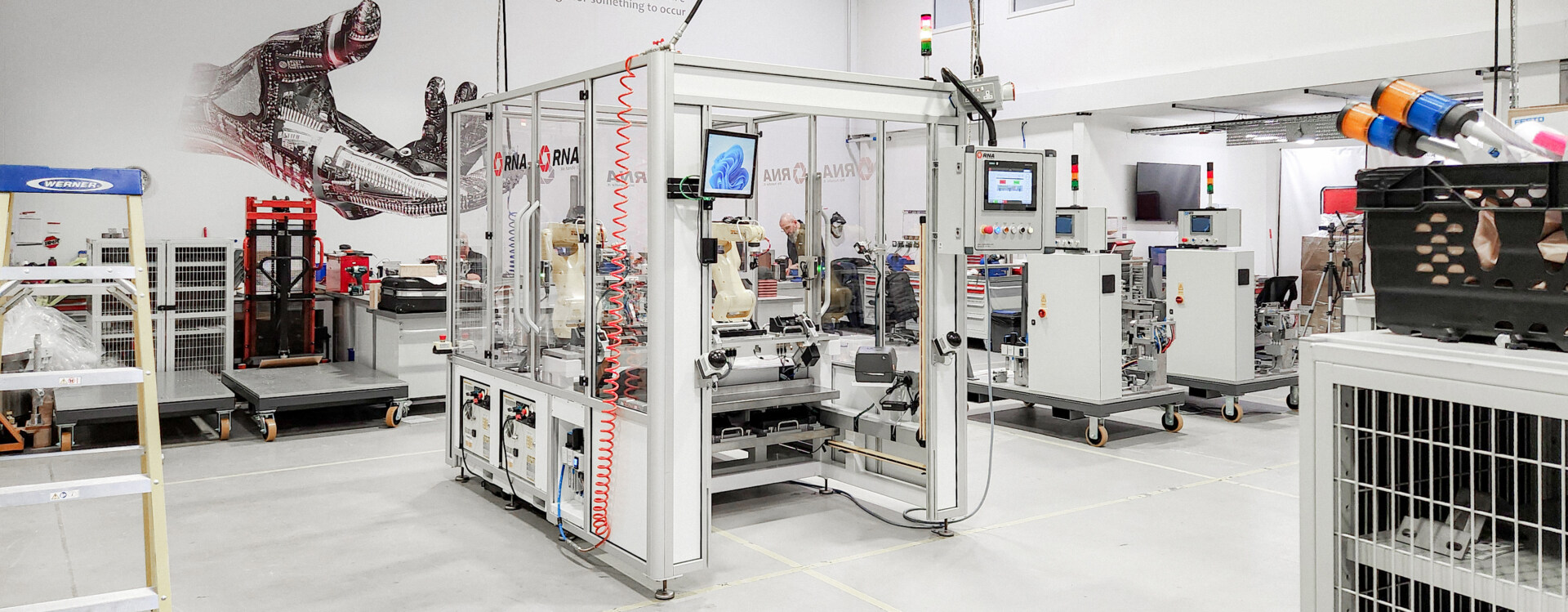
In manufacturing, health and safety systems are strongest when people can see how they work in the real environment. Policies, risk assessments and toolbox talks all matter, but written guidance can struggle to capture the pace, scale and judgement involved on a working site. A well-planned manufacturing video turns those systems into something practical: a clear visual explanation of what good looks like, why it matters and how each person contributes.
That makes video useful far beyond a one-off training session. EHS leaders can use it to connect leadership expectations with shop-floor behaviour, give contractors a consistent introduction and show customers that safe working is part of operational discipline rather than a separate compliance exercise. The key is to film the authentic process carefully, with enough context that viewers understand the decisions behind the actions.
Show the system in its working context
Compliance language can become abstract when it is separated from the people, equipment and spaces it is designed to protect. Video brings those elements back together. A sequence can show how a permit is checked, how a machine is isolated, how a pedestrian route is kept clear or how a team responds when conditions change. By seeing the complete chain, viewers understand that safe performance is a set of connected habits rather than a collection of isolated rules.
This is especially valuable in complex facilities where a visitor or new starter may not immediately understand the relationship between production targets, maintenance access, material movement and emergency controls. Thoughtful camera placement and a calm editorial structure can make the environment easier to read. Wide shots establish the layout, close details explain the critical checks and interviews add the reasoning that turns an instruction into a decision people can remember.
An EHS video should never make a hazardous activity look casual or theatrical. The strongest films are precise about boundaries, use appropriately qualified contributors and make safe preparation visible. That attention to detail builds credibility with experienced operators, who can quickly tell when a piece of content has been made around the process rather than with it.
Make induction and refresher learning more consistent
Sites often repeat the same explanations for new employees, agency workers, contractors and visiting customers. That repetition is necessary, but the message can vary depending on who delivers it and how busy the shift is. A concise, site-specific film gives every audience a dependable starting point. It can introduce the layout, highlight restricted areas, explain personal protective equipment and show the local escalation route before a person begins work or moves through the facility.
Video also supports refresher learning without requiring a full classroom session every time. Teams can revisit a short module before a seasonal change, a new product run or the introduction of equipment. When the content is divided into useful chapters, supervisors can direct people to the part that applies to a particular task. This helps learning stay close to the moment when it is needed, while managers retain a resource that can be reused across shifts and locations.
The same principle applies to operational knowledge. A carefully filmed demonstration can preserve the practical detail behind a safe method, including the small checks that experienced employees perform almost automatically. That makes manufacturing video a useful companion to knowledge preservation during shift handovers, particularly when teams work different patterns or when specialist expertise is concentrated in a few individuals.
Connect compliance to a culture of improvement
Safety communication becomes more persuasive when it shows that reporting, learning and improvement are active parts of the operating model. A film can follow an observation from the initial concern through the discussion, corrective action and review. That story demonstrates that the organisation wants people to speak up and that the information they provide leads to visible changes.
There is also an opportunity to let employees explain what makes a control effective in practice. Short, well-supported contributions from operators, engineers and supervisors can reveal the thinking behind a procedure without turning the video into a string of generic testimonials. The result feels more credible because it respects the knowledge already present on the factory floor and gives people a role in defining the standard.
When evidence and explanation need to work together, EHS teams can take cues from approaches used to make quality evidence easier to trust. The visual language should be specific: show the record, the check or the point of control, then connect it to the outcome. This helps internal audiences understand performance while giving external stakeholders a clearer picture of how the site manages risk.
Plan a film that can keep working
The best return comes when the film is planned as a useful communication asset rather than a single event. Before filming, agree the audience, the decisions viewers should make afterwards and the situations that need to be shown. Build a simple content map around induction, critical controls, leadership expectations and improvement. That preparation keeps the shoot focused and reduces the temptation to collect attractive footage without a clear purpose.
It is also wise to separate durable principles from details that may change. A core film can explain the site’s approach, while shorter modules cover a particular line, route or piece of equipment. This makes future updates more manageable and protects the value of the original production. EHS leaders should schedule a review whenever a major process, layout or policy changes, and remove or replace any section that could create confusion.
Finally, treat the finished video as part of the wider learning system. Pair it with discussion prompts, supervisor guidance and a clear route for questions. Used in that way, manufacturing video helps compliance move from a document people acknowledge to a culture people can recognise, discuss and improve every day.
For teams building repeatable learning across a site, the same production discipline can support training that turns best practice into repeatable performance. The common thread is clarity: show the work honestly, explain the judgement behind it and give people a practical next step.