Operational change is a constant in manufacturing. A new line, revised process, upgraded equipment or different quality-control step can improve performance, but only if the people around it understand what is changing and why. For operations teams, manufacturing video offers a practical way to make that change visible without slowing the work down.
Unlike a long written announcement, a well-planned film can show the sequence, the working environment and the people responsible for each stage. That makes it easier for colleagues, customers and other stakeholders to understand the reality behind an improvement.
Show the reason for change before the detail
People engage with operational change more readily when they can see the problem it solves. Video can establish that context quickly: a bottleneck on the factory floor, a manual hand-off that creates delay, or a safety measure introduced after a review. Once the reason is clear, the new process feels purposeful rather than disruptive.
This is especially useful when a project affects several departments. Production may care about throughput, engineering about repeatability, quality about evidence and leadership about risk. A concise film can connect those priorities in one coherent story instead of leaving each team to interpret a separate technical note.
Make the process easy to follow
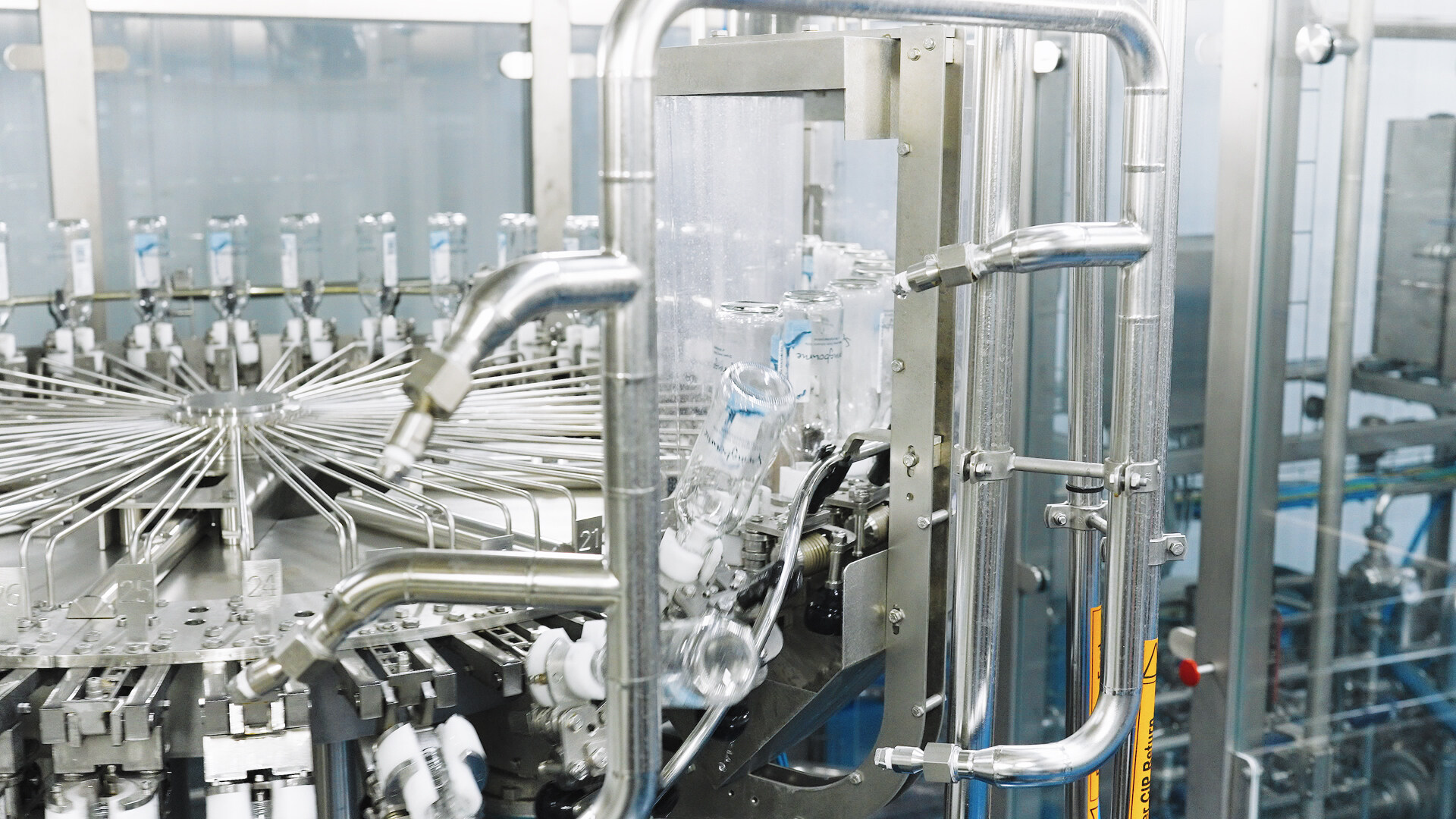
The strongest operational films are structured around decisions and movement. They show where materials enter, what happens at each critical stage, where checks take place and how the finished output leaves the process. Clear establishing shots, close detail and purposeful interviews help viewers build a mental map of the operation.
That visual map can also support commercial communication. A buyer who needs to understand capacity or consistency can grasp the sequence without asking for a site visit at the earliest stage. For a useful example of this principle, see how video helps buyers see quality before a site visit.
Give subject-matter experts a clear role
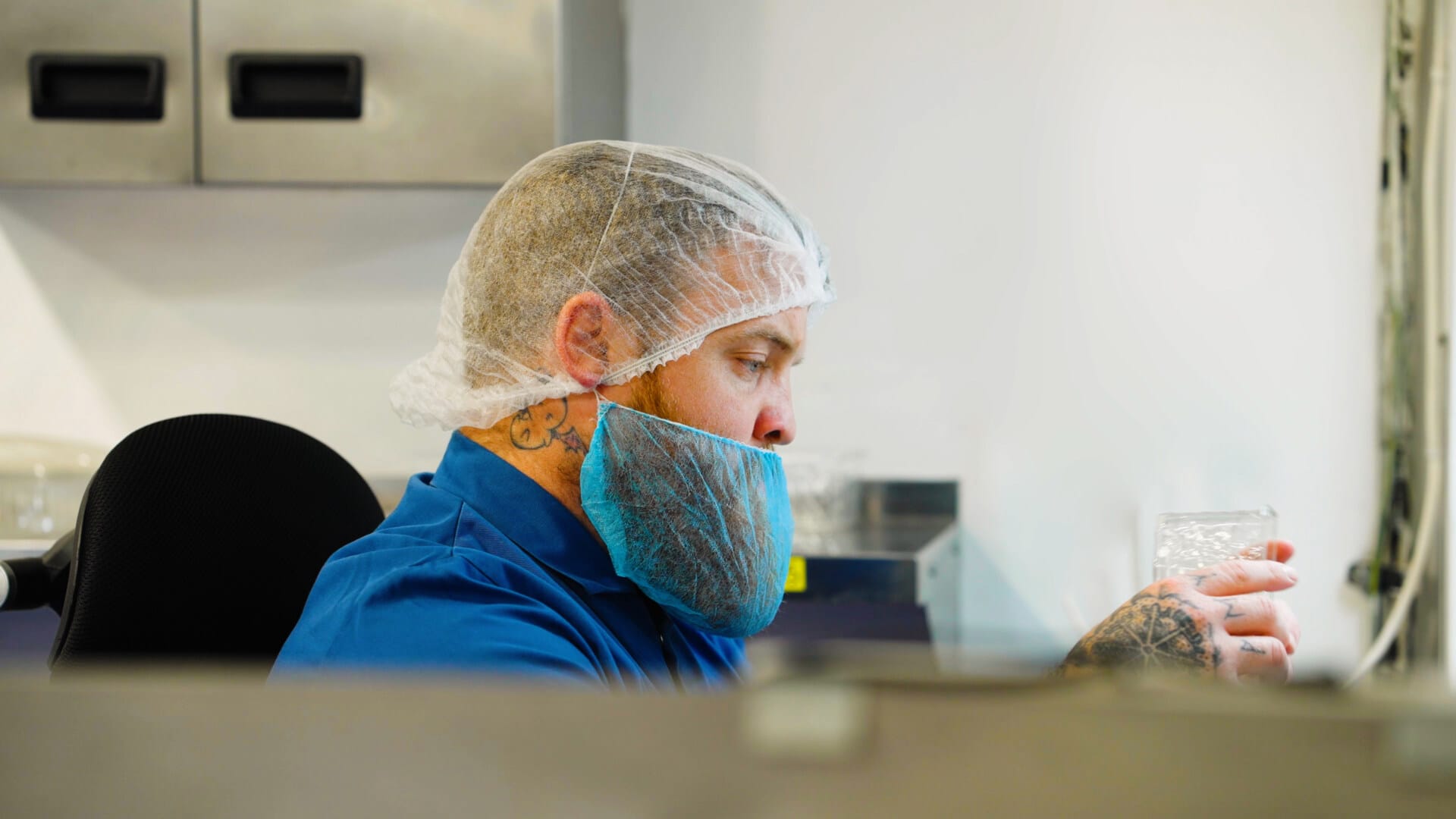
Operators, engineers and quality specialists add credibility because they can explain what viewers are seeing in practical terms. Their contribution does not need to be a formal presentation. A few well-prepared answers about tolerances, inspection points, materials or training can turn attractive footage into evidence of capability.
Preparation matters. Agree the audience, the three or four messages that must be understood, and the examples that prove each message. This keeps interviews focused and protects valuable production time. It also allows the finished edit to reflect the way the operation actually works rather than forcing it into generic corporate language.
Use one film across the change programme
A single operational film can support more than one moment. Internally, it may introduce a new process during a team briefing or help new starters understand the wider workflow. Externally, selected sections can explain capability to customers, reassure procurement teams or give sales colleagues a credible way to answer technical questions.
The key is to plan for reuse from the start. Capture clean process sequences, short interview answers and detail shots that can be edited into different cuts. A film built this way can shorten the sales conversation, much like the approach described in this guide to factory process videos, while still serving internal communication.
Keep the story accurate and grounded
Operational communication works when the film respects the detail. Avoid claims that the footage cannot support, and show the normal process rather than staging an idealised version that colleagues will not recognise. Confirm terminology, permissions and safety requirements before filming, especially when the site includes confidential products or customer information.
Accuracy also builds trust with external audiences. Buyers want to know that a company can deliver consistently, not simply that its facility looks impressive. A process-led approach helps turn operational detail into confidence, as explored in this look at manufacturing video and sales confidence.
Plan the next action
Before production begins, decide what viewers should do after watching. The next action might be adopting a revised work instruction, asking a technical question, booking a site visit or speaking with the operations team. A clear purpose keeps the film concise and gives the final edit a useful measure of success.
For operations leaders, the opportunity is simple: use video to make change visible, explain the evidence behind it and give every audience a clearer way into the conversation. When the story is planned around the real process, manufacturing video becomes a working communication tool rather than a one-off piece of marketing.