In a busy manufacturing environment, near misses are valuable warnings. They show where a process, layout, instruction or handover could fail before someone is injured or production is seriously disrupted. Yet many near-miss reviews end with a written action list that is understood in the meeting and forgotten on the factory floor. Manufacturing video gives teams a practical way to turn those lessons into visible, repeatable preventive action.
A well-planned film does not replace a formal investigation or risk assessment. It helps make the agreed learning easier to see, explain and revisit. By recording the correct behaviour in the real work area, a production team can connect the cause of an event with the small decisions that prevent it happening again.
Make the lesson visible where the work happens
Near-miss reports are often accurate but abstract. They may refer to a line-side obstruction, an unclear isolation point or a missed verification step without showing how the situation looked to the person carrying out the task. A short operational film can recreate the safe sequence in the actual environment, using the equipment, signage and access routes employees encounter every day.
This context matters because prevention depends on recognition. Operators need to know what an unsafe condition looks like before they are already committed to the task. A video can show the difference between a normal setup and a deviation, explain why the difference matters, and demonstrate the correct response without relying on a long written description.
For EHS and operations leaders, this also creates a consistent reference point. New starters, agency workers and experienced employees can all be shown the same approved behaviour. The film becomes especially useful when it supports a wider EHS communication programme rather than being treated as a one-off reaction to an incident.
Show the small controls that prevent repeat events
Most preventive actions are not dramatic. They might involve checking a guard before a restart, confirming a radio call, positioning a trolley outside a marked zone or pausing when a component does not feel right. Because these details are easy to overlook, they are precisely the details worth filming carefully.
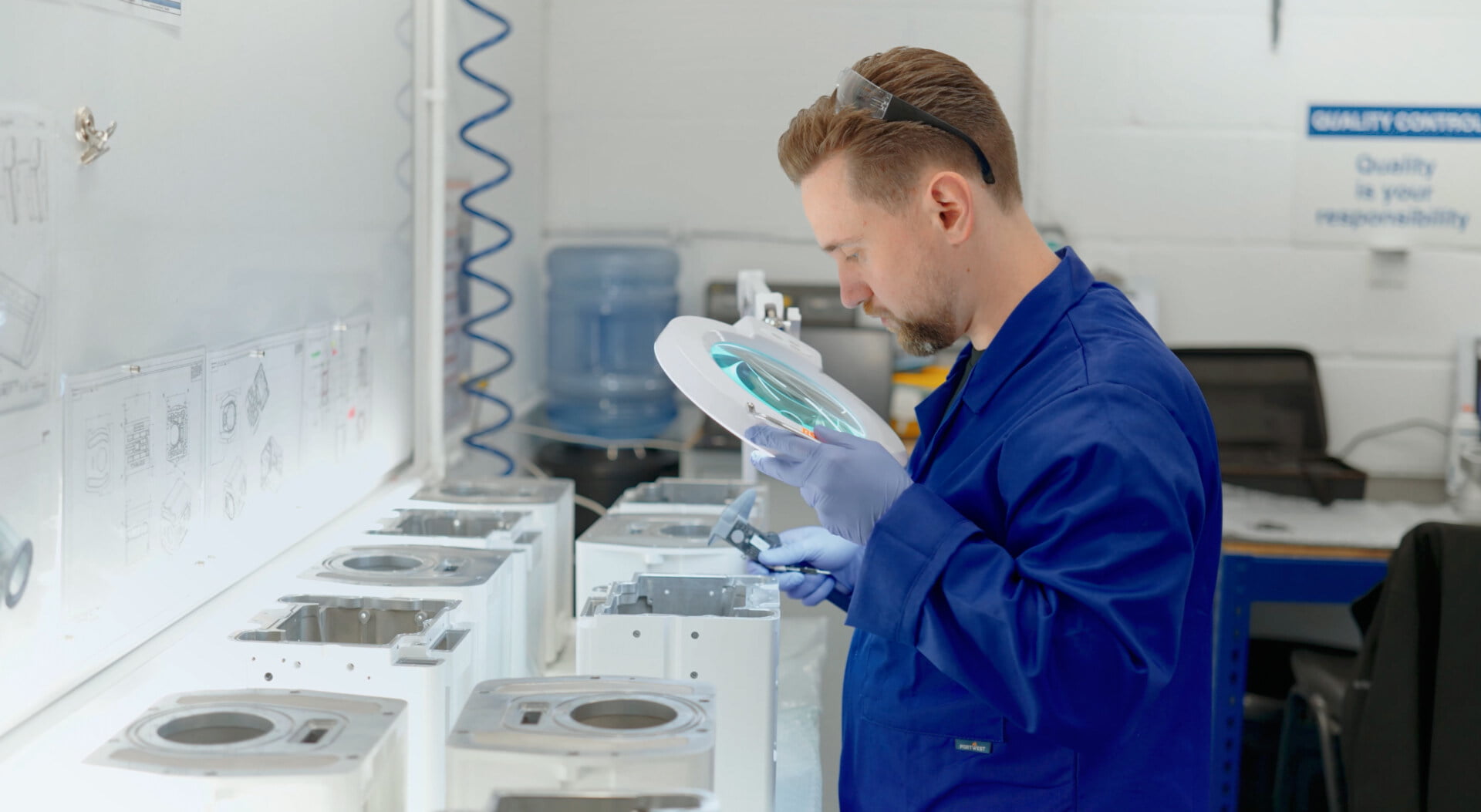
A useful near-miss video follows the work in a logical order. It establishes the operating context, identifies the point at which risk can increase, demonstrates the control, and then shows how the operator confirms that the job is safe to continue. Close shots can clarify hand positions, indicators, labels or tool placement, while wider views explain how people and equipment move through the space.
The strongest films avoid blame. They focus on conditions and decisions rather than presenting one person as the problem. That approach makes it easier for employees to discuss what really happened and to suggest improvements. It also aligns with the practical learning culture needed for corrective actions that remain effective after the initial investigation has closed.
Turn one near miss into shared learning
Near misses rarely belong to a single department. A material-handling issue can involve production, maintenance, stores, engineering and supervision. If each group receives a different explanation, the site may develop several versions of the same lesson. A carefully edited film provides a shared starting point for toolbox talks, shift briefings, induction sessions and refresher training.
Distribution should be planned around the rhythm of the site. Supervisors can use a two-minute cut at the start of a briefing, while the full version can sit in the learning platform alongside a short knowledge check. QR codes near relevant work areas can make the approved example easy to revisit, provided access and document control are managed properly.
It is also worth creating a version that explains what has changed. Employees are more likely to trust a safety message when they can see the link between the original observation, the decision made by the team and the new standard. This is where clear visual standards for factory teams can reinforce the written procedure without competing with it.
Measure whether the message is changing behaviour
Publishing the video is only the beginning. Owners should agree how they will know whether the lesson has reached the work. Useful measures might include completion rates, supervisor observations, repeat near-miss themes, audit findings and the number of employees who can explain the critical control in their own words.
Those measures should be reviewed with humility. A fall in reported near misses is not automatically proof that risk has reduced; it may indicate that reporting has become harder or less trusted. A better approach combines participation data with direct observation and open conversations. If employees continue to identify the same unsafe condition, the film may need updating, or the underlying process may require a physical change.
Production environments evolve, so preventive-action videos need an owner and review date. Equipment changes, revised layouts, new materials and updated instructions can make an old demonstration misleading. Treating the film as a controlled operational asset keeps the lesson accurate and protects the credibility of the wider safety programme.
Build prevention into everyday communication
Manufacturing video is most effective when it becomes part of normal operating communication. A near miss should lead to more than a report, an email and a closed action. When the lesson is translated into a clear, location-specific demonstration, people can see what good looks like and why it matters.
That combination of investigation, visual explanation and follow-through helps a site move from reacting to events towards preventing their recurrence. The result is not simply a more engaging safety message. It is a practical way to make critical controls easier to recognise, discuss and apply on every shift.