Manufacturing businesses often have no shortage of expertise. The challenge is making that expertise understandable to everyone who needs to act on it. Engineers, operators, sales teams, procurement managers and prospective customers may all look at the same facility, but each group notices different details. A well-planned manufacturing video brings those perspectives together and turns scattered technical knowledge into one clear, useful story.
That clarity matters because industrial decisions rarely depend on a single conversation. A buyer may watch a process overview before a meeting, share a capability film with colleagues, return to a detail during supplier evaluation and use the same video to explain the decision internally. When the film reflects how the work is actually done, it becomes a practical communication tool rather than a piece of decoration on a website.
Why technical alignment is difficult on the factory floor
Manufacturing processes are full of language that makes perfect sense to the people closest to them. Acronyms, machine names, tolerances, handover points and quality checks can be second nature inside the business while remaining opaque to an outside audience. Even internal teams can interpret priorities differently. Production may focus on repeatability, engineering on performance, quality on evidence and commercial teams on customer outcomes.
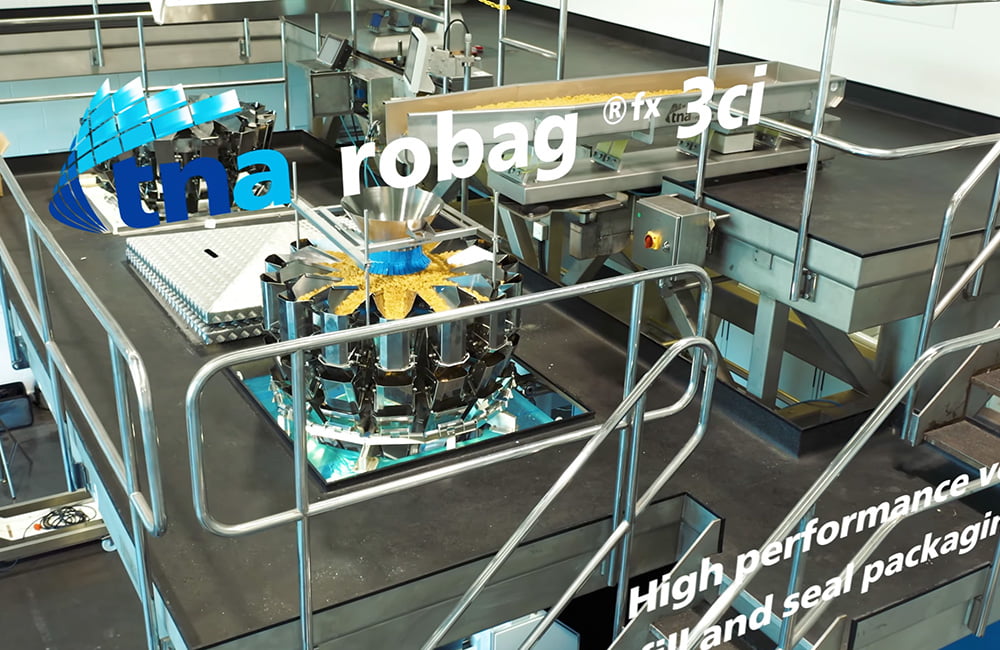
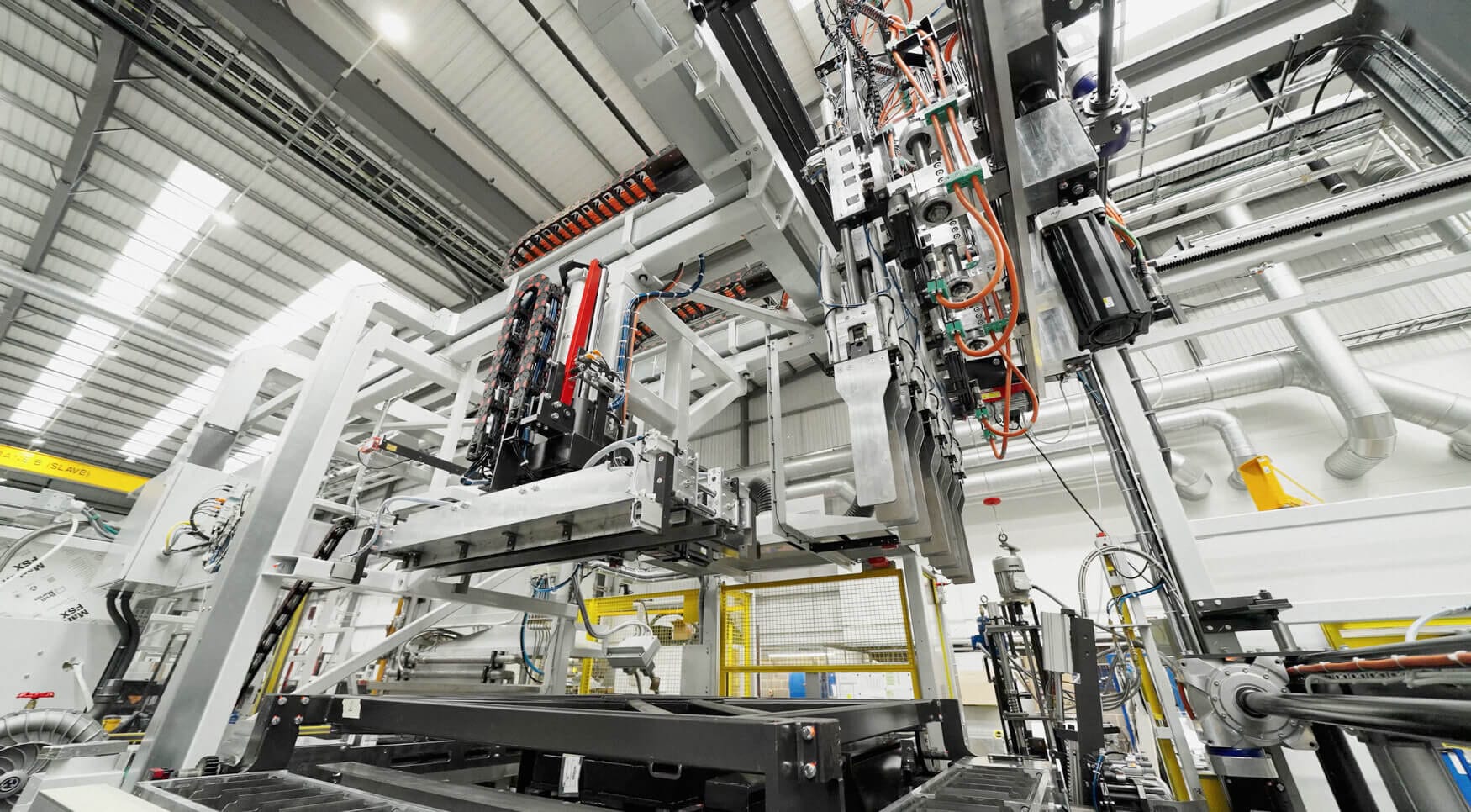
Video helps by showing relationships that are difficult to capture in a written explanation. A sequence can connect incoming material, preparation, machining, inspection, packing and dispatch in a way that makes the whole operation easier to follow. Close-up shots can explain the important detail, while wider views show how people, equipment and information move through the facility. The result is a shared reference point that different departments can use without starting the explanation from scratch.
This is especially valuable when a business is introducing a new capability or trying to explain a complex supply chain. A viewer does not need to remember every specification immediately. They need to understand what happens, why it matters and where confidence comes from. That is the first step towards a more productive technical conversation.
Build the story around decisions, not just equipment
The strongest industrial films are not simply tours of impressive machinery. They are structured around the questions an audience needs answered. What problem does the process solve? Which stages require specialist judgement? How is consistency maintained? Where are risks identified early? What evidence can a customer expect before placing an order?
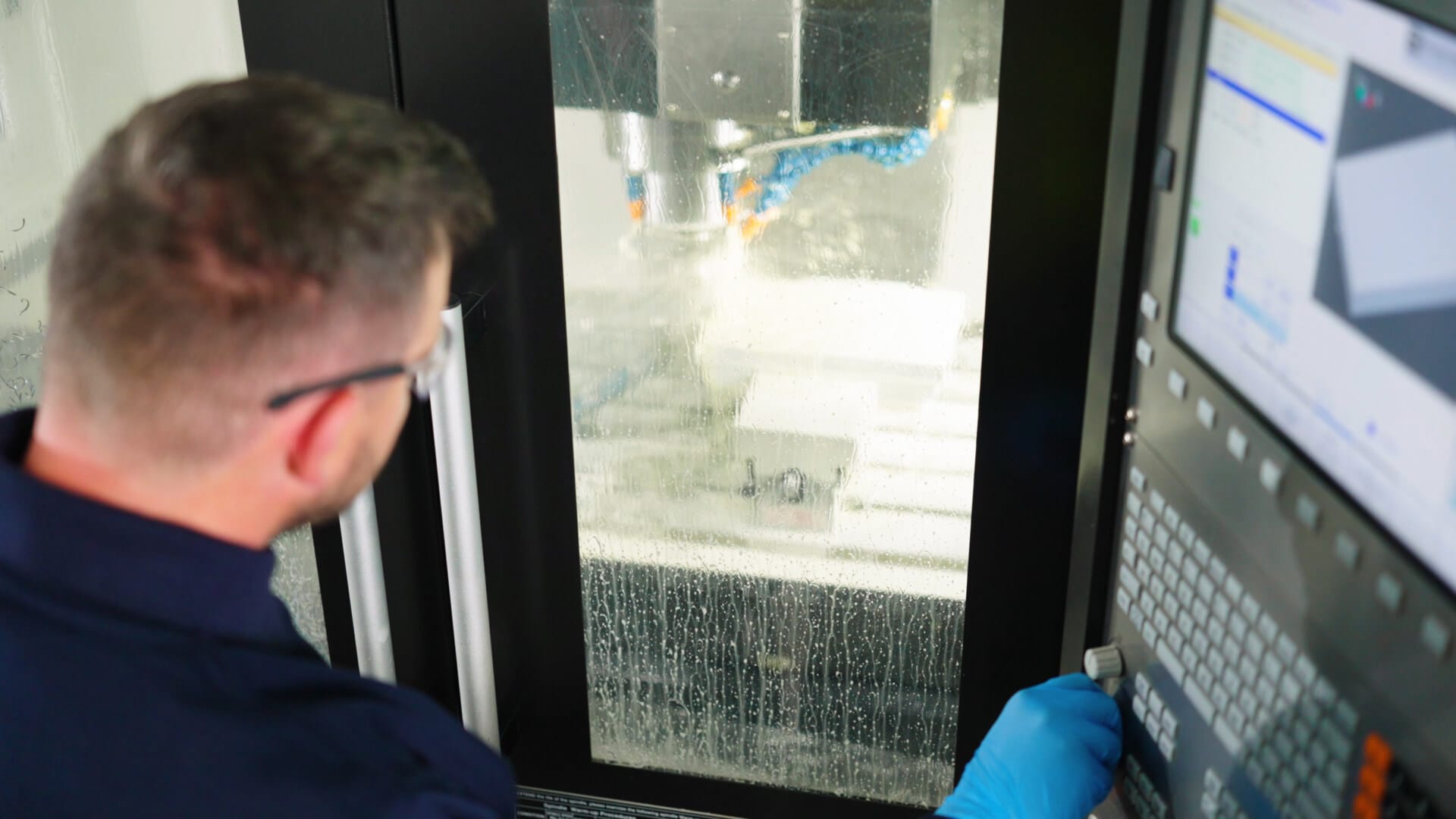
Answering those questions gives the production team a useful editorial framework. Instead of filming every machine equally, the crew can prioritise the moments that reveal capability: a setup being checked, a measurement being taken, an operator adjusting a process, or a finished component being reviewed against a standard. These moments carry more meaning than a long sequence of anonymous activity.
It also helps to plan different layers of information. The first layer should be immediately accessible to a non-specialist. The second can provide technical depth for engineers and buyers who want to investigate further. A short explanation from a subject-matter expert, supported by relevant process footage and clear graphics, can bridge both audiences without making the film feel like a training manual.
Businesses that want to make their capability easier to evaluate can also learn from how manufacturing video helps engineering teams prove capability before the first meeting. The principle is simple: show enough of the real process that the viewer can arrive with better questions.
Use real people to connect process detail with purpose
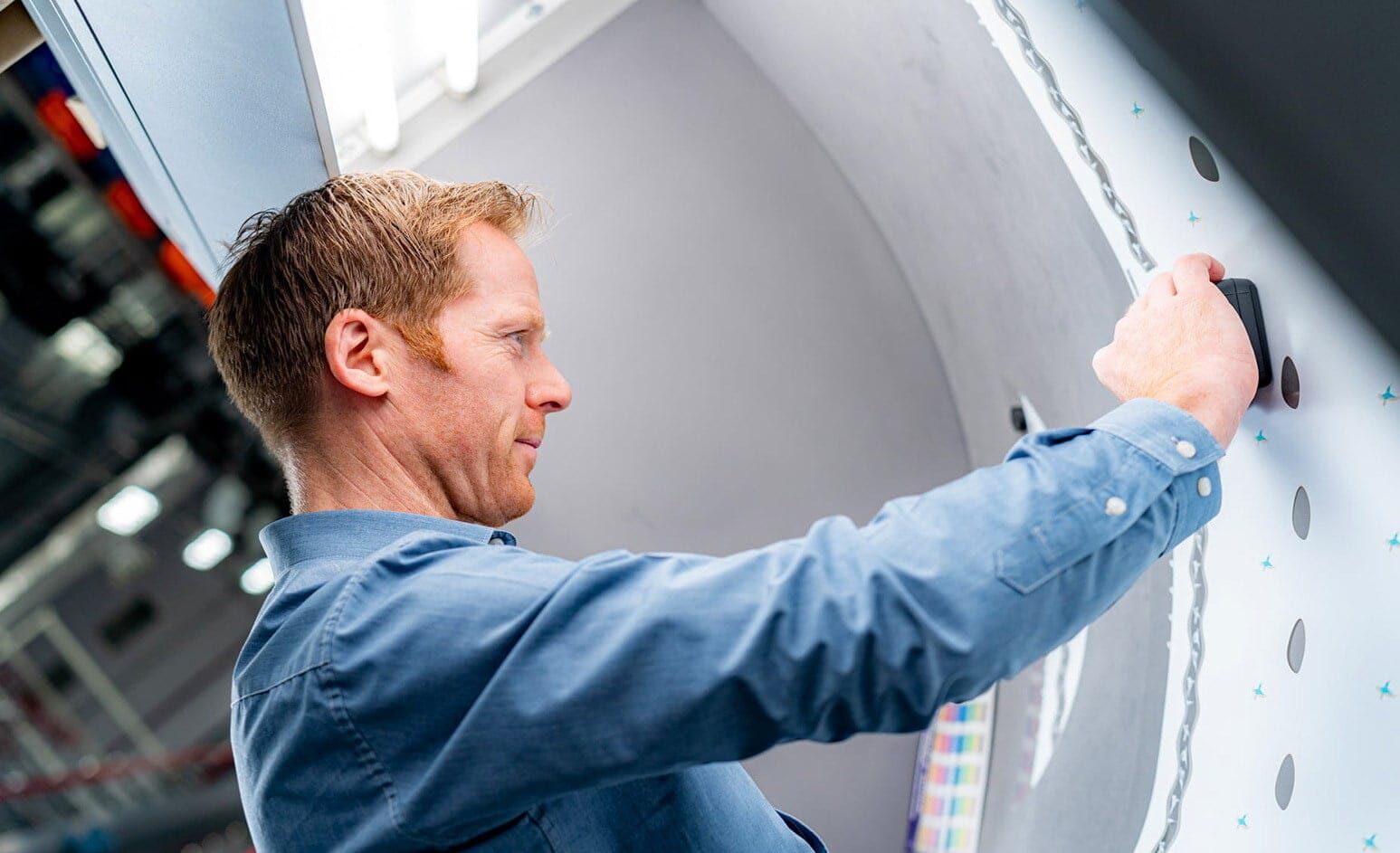
Technical alignment becomes more convincing when the people responsible for the work are part of the story. Operators and engineers can explain the choices that are invisible in a wide shot. They can describe what they check, where experience matters and how a small intervention protects the final result. Those comments give context to the images and demonstrate that the process is controlled by knowledge as well as machinery.
Interviews do not need to be lengthy. A concise answer recorded in the right place can carry more weight than a heavily scripted statement in a meeting room. The best prompts encourage people to explain cause and effect: what they are looking for, what could go wrong, and how they know the work is ready to move on. This makes the film feel specific and credible while giving internal teams language they can reuse.
People also help different audiences recognise the human consequences of technical decisions. A quality check is not just a checkpoint; it protects reliability for the customer. A carefully documented setup is not just administration; it makes repeat production more dependable. These connections turn process footage into a story about trust.
Make the finished film useful across the business
Once published, one core manufacturing video can support more than a homepage. Sales teams can use it to prepare prospects for a technical discussion. Recruitment teams can show candidates the environment and standards they would join. Training leaders can use selected sequences to reinforce the correct order of work. Senior managers can share it when explaining investment, capability or operational change.
That wider usefulness is easier to achieve when the original shoot is planned with multiple viewing contexts in mind. Capture clean details, natural sound, short interview answers and a range of horizontal and vertical compositions where appropriate. A single polished film can then be shaped into shorter edits, social clips and supporting sequences without losing the central message.
For teams focused on consistency and safer working, it is worth considering how manufacturing video helps training teams build safer, more consistent work. For commercial teams, the same footage can support sales conversations that explain technical value in a more concrete way.
Turn shared understanding into momentum
A manufacturing video earns its place when it reduces friction. It helps a buyer understand the operation sooner, helps internal teams describe the same capability consistently and helps specialists share knowledge without repeating every explanation live. That shared understanding creates momentum: meetings become more focused, questions become more useful and decisions can move forward with fewer assumptions.
The most effective approach is therefore to begin with alignment before the cameras arrive. Identify the audiences, agree the questions the film must answer and involve the people who understand the process at first hand. When the story is built around real decisions and supported by honest process detail, manufacturing video becomes a durable asset for communication, confidence and growth.