Supplier approval is rarely decided by a single specification sheet or a persuasive meeting. Procurement teams need confidence that a manufacturer can deliver consistently, manage risk and support the wider business after the purchase order is signed. In complex or highly regulated industries, that confidence depends on seeing how capability works in practice.
That is where manufacturing video becomes a practical procurement tool. A well-planned film can make processes, people, facilities and controls easier to understand before a buyer commits time to a site visit or moves a supplier into the final stage of evaluation. It does not replace due diligence. It gives due diligence a clearer starting point.
Make capability easier to assess
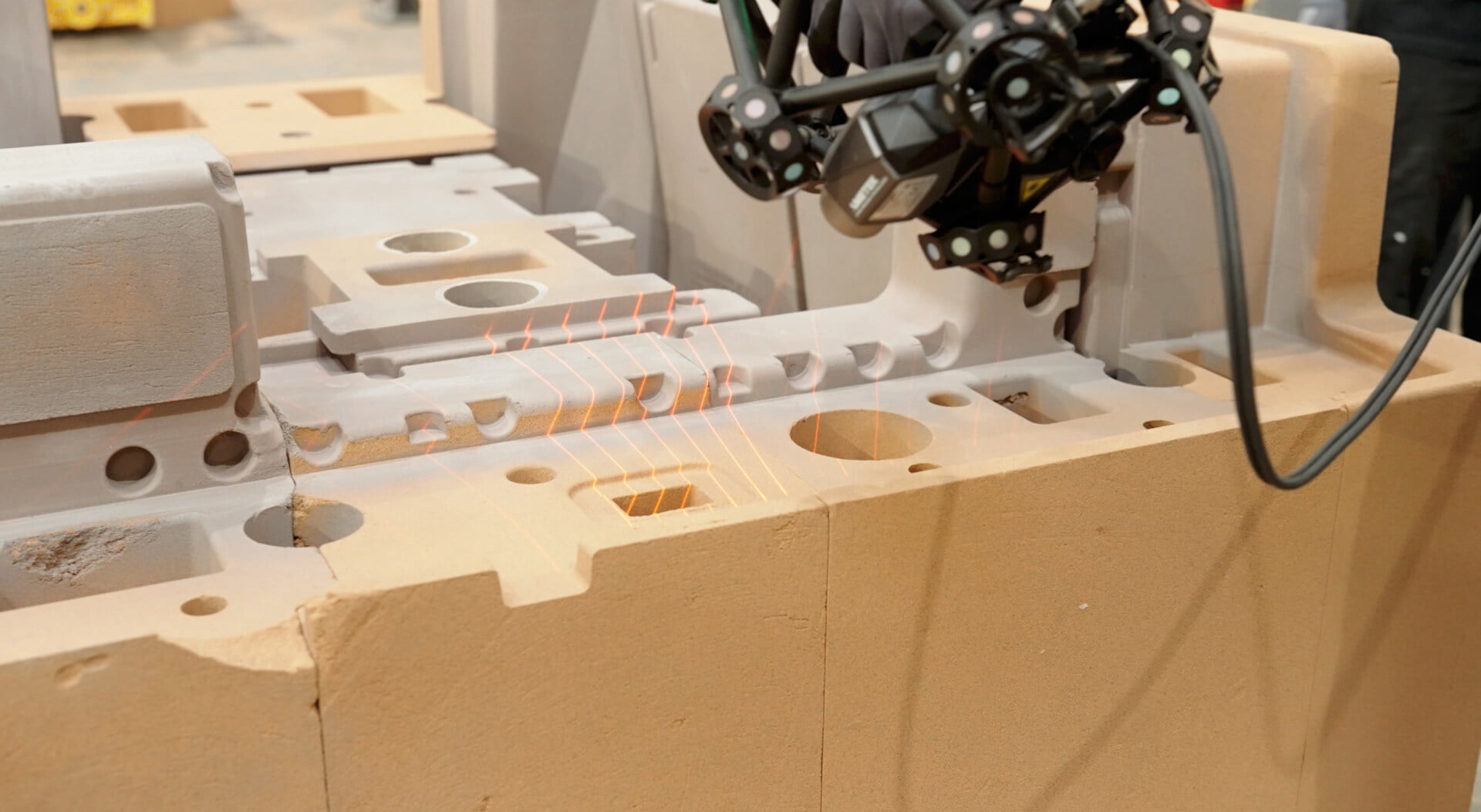
Manufacturers often describe their strengths in language that is accurate but difficult for an outside audience to interpret. Terms such as traceability, repeatability, lean flow and quality assurance mean different things to different stakeholders. A carefully structured video can connect those claims to visible evidence: the layout of the facility, the sequence of a process, the checks made by operators and the systems that keep work moving.
For procurement, that context is valuable because it reduces the gap between what a supplier says and what a buyer can reasonably understand. A short sequence showing material arriving, being processed, inspected and released can communicate more than a general statement about operational excellence. It also gives technical and commercial reviewers a shared reference when they compare potential suppliers.
Show the controls behind reliable delivery
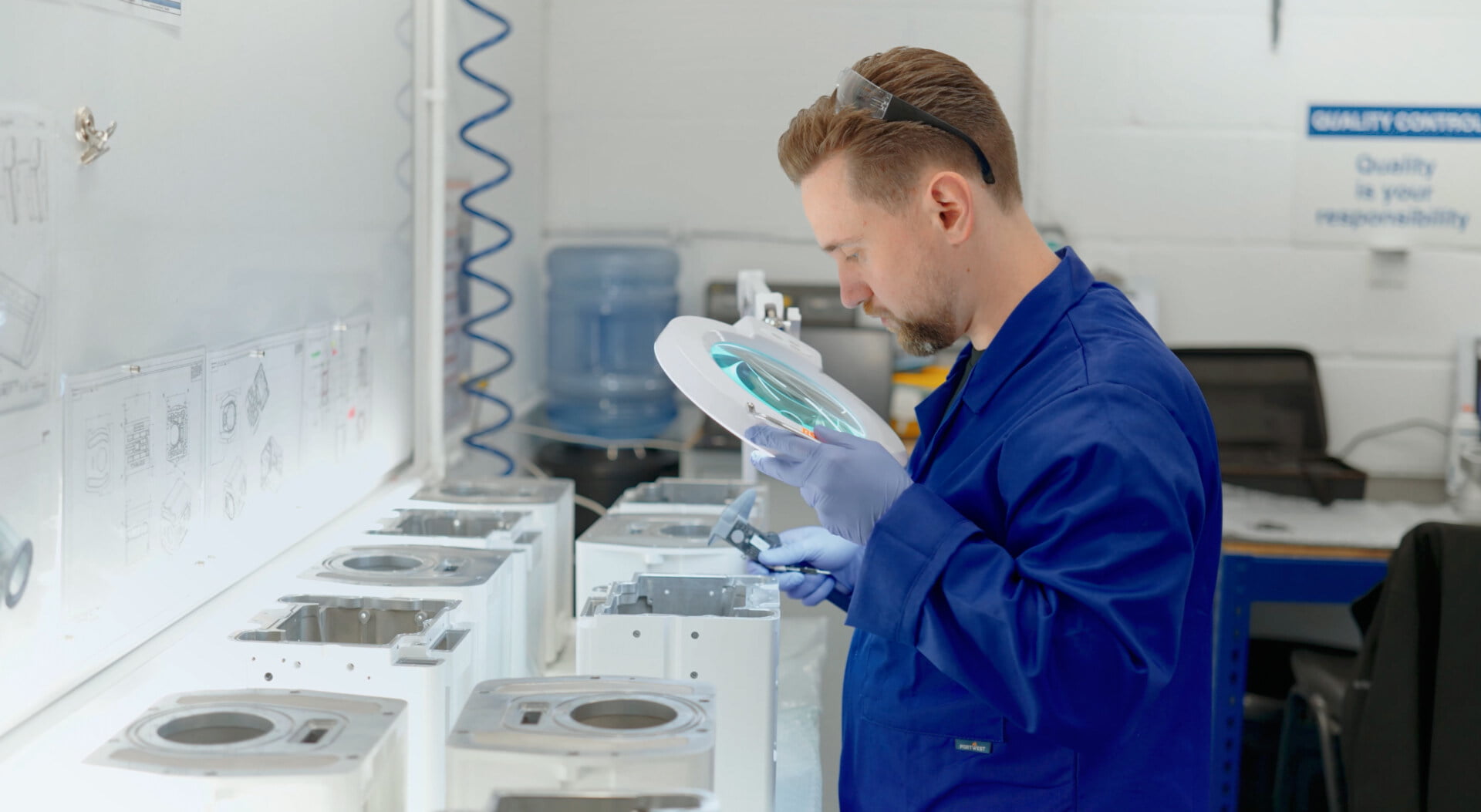
Risk is not only about whether a supplier can make one good product. Procurement teams need to understand how the business protects quality when volumes change, people are absent or a new order introduces extra complexity. Video can show the routines behind reliable delivery without exposing confidential information or turning the film into a technical manual.
Useful footage might include visual management boards, controlled work instructions, inspection points, maintenance routines or the handover between production and dispatch. Interviews with the people responsible for those controls can add the reasoning behind them. The strongest films explain not just what happens, but why the process has been designed that way and how exceptions are handled.
This evidence can sit alongside the buyer’s formal checks. For example, a procurement team reviewing quality evidence and operational confidence can use video to make audit language more tangible for colleagues who are not specialists.
Help different stakeholders reach the same view
Supplier decisions involve more than procurement. Engineering may be assessing technical fit, finance may be considering total cost, operations may be thinking about continuity and senior leaders may be judging strategic resilience. Each group asks a different question, even when they are reviewing the same supplier.
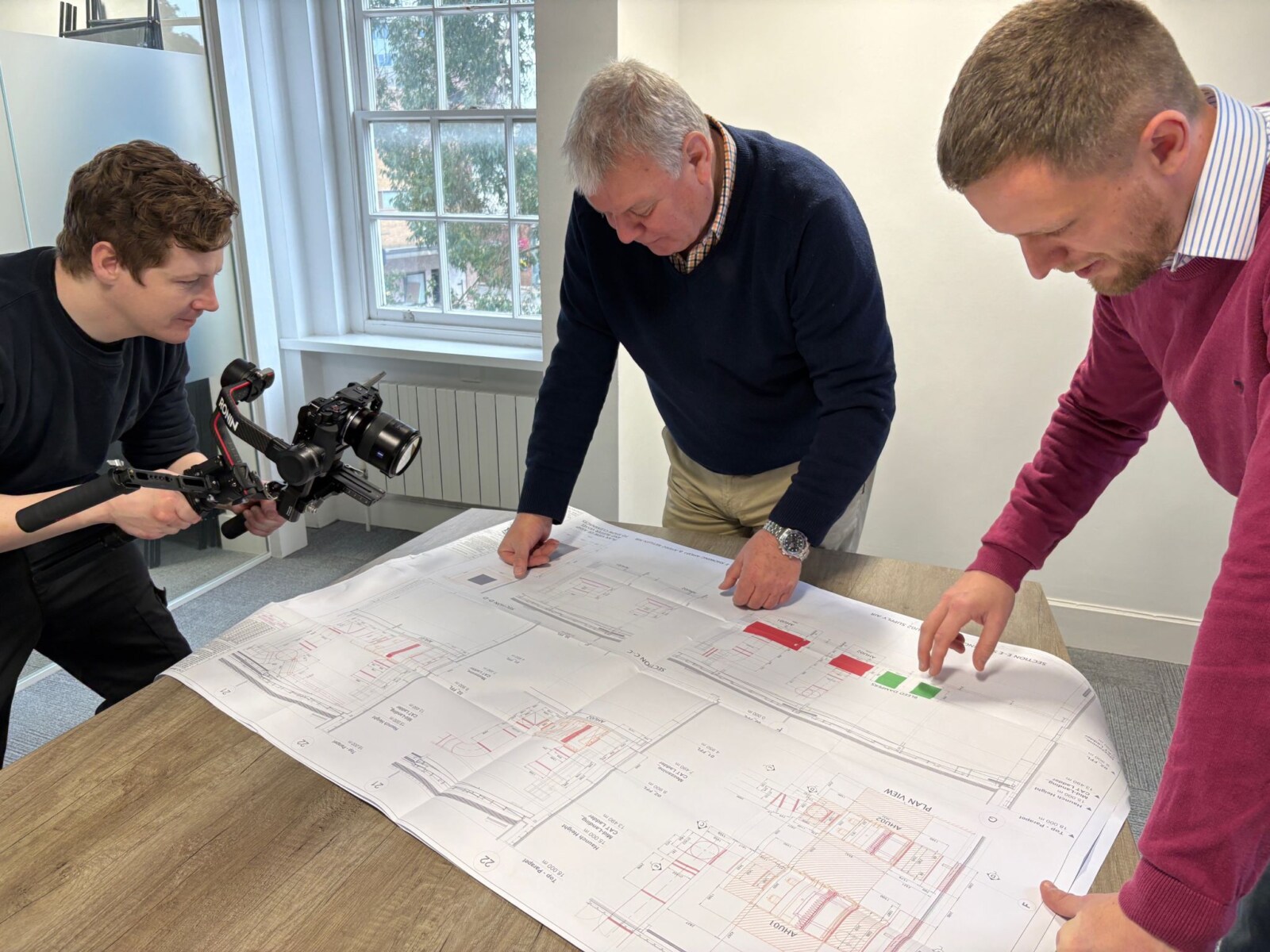
A focused manufacturing video gives those stakeholders a common, reusable asset. Procurement can use it to brief internal decision-makers, engineering can pause on a relevant process, and leadership can see the scale and discipline of the operation without arranging another presentation. This is particularly useful when teams work across sites or when the supplier’s facility is a long distance away.
The film should therefore be built around a clear decision journey. Start with the buyer’s concern, show the evidence that addresses it, and explain the practical outcome. Avoid filling every second with machinery. A machine is only persuasive when the viewer understands the capability, control or customer benefit it represents.
Strengthen the commercial case without overselling
Procurement teams are often asked to justify why one supplier deserves further consideration. Video can support that internal business case by showing the operating context behind a quotation. It can reveal the expertise embedded in a process, the investment in equipment, and the collaboration required to maintain standards.
That does not mean making exaggerated claims. Credibility improves when a film acknowledges the real work involved: changeovers, inspection, training, problem-solving and continuous improvement. A balanced story can be more persuasive than a polished montage because it helps the viewer imagine how the supplier would work with their own organisation.
It can also complement the way finance teams evaluate operational investment. When the video makes capability visible, conversations about cost can include reliability, learning curves, capacity and risk rather than focusing only on the headline price.
Plan the film around the approval journey
The most useful procurement video is planned before the camera arrives. Begin by listing the questions a buyer must answer: Can this supplier handle the required volume? How is quality protected? What happens when something goes wrong? Who owns the relationship? Which parts of the process are genuinely distinctive?
From there, build a simple sequence of proof points and identify the people who can explain them naturally. Keep terminology clear, protect commercially sensitive details and agree permissions for staff, visitors and customer-related information. Captions, transcripts and short cut-down versions make the content easier to share internally and more accessible to busy reviewers.
Distribution matters too. A film can sit on a supplier page, support a tender response, open a capability presentation or give a sales team a useful follow-up resource after an introductory call. The same core footage can often be edited into different versions for technical, commercial and executive audiences.
Turn first impressions into informed next steps
Manufacturing video works best when it helps a buyer decide what to investigate next. It should prompt better questions, make a site visit more purposeful and give internal stakeholders enough context to engage with the opportunity. Used in that way, it becomes part of the procurement process rather than a decorative brand asset.
For businesses trying to make standards consistent across locations, the same principle applies to communicating operational standards across sites. Clear visual evidence helps people understand what good looks like and why it matters.
When a manufacturer can show its capability with clarity, procurement teams gain a stronger basis for comparison. The result is not an automatic approval, but a more informed conversation about fit, risk and the confidence required to build a reliable supplier relationship.