Root cause analysis is meant to do more than explain why a problem happened. In a manufacturing environment, it should help people recognise the conditions that allowed the problem to develop and make a better decision the next time those conditions appear. Yet the findings from an investigation often remain trapped in a report, a meeting, or the memory of the people who were involved.
Manufacturing video can turn that learning into something practical and repeatable. By showing the process, the decision points and the expected response, a well-planned film gives operations teams a shared reference point. It helps move corrective action from an abstract recommendation into a visible way of working.
Why root cause findings often lose their operational value
Most investigations produce useful information, but the way that information is communicated can limit its impact. A written report may be accurate and complete, yet a busy supervisor, technician or operator may only see a summary. The detail that explains what changed on the line, what warning sign was missed or why a safeguard mattered can disappear between the investigation team and the people expected to apply the lesson.
There is also a timing problem. Findings are commonly shared after the immediate pressure has passed, while production priorities have moved on. New starters may never hear the original explanation, and teams on another shift may receive a shortened version of the story. If the lesson is not connected to the real environment, it becomes easy to treat it as a one-off event rather than evidence of a repeatable risk.
A video gives the organisation a way to preserve the context. It can show the correct sequence, highlight the point at which a decision matters and explain the consequence of taking a shortcut. That combination is especially valuable when the process is visually complex or when a written instruction cannot easily convey movement, timing, access or safe positioning.
What an effective operational learning film should show
The strongest films begin with the learning objective, not with a list of shots. The production team should understand what the investigation discovered, which behaviours need to change and how success will be recognised on the factory floor. That might mean identifying an inspection point, clarifying a handover, demonstrating a lockout step or showing how an abnormal condition should be escalated.
Once the objective is clear, the film can follow the process in a useful order. It may introduce the normal state, show the early indicators of variation, explain the decision that prevents the issue from developing and finish with the response that protects people, quality or output. This structure gives viewers a mental model they can use, rather than asking them to memorise disconnected rules.
It is also important to involve the people who own the process. Their experience helps the film reflect real constraints, including access, tooling, shift patterns and the language teams actually use. That practical input is one reason capturing tacit process knowledge can make operational communication more credible and easier to apply.
How video turns corrective action into everyday practice
A film becomes more useful when it is designed for the moments in which people need it. A short module can support a toolbox talk, a longer version can sit inside a training pathway, and a focused clip can be used at a workstation or during a shift briefing. The same core lesson can therefore reach different audiences without forcing every team to consume the same amount of information.
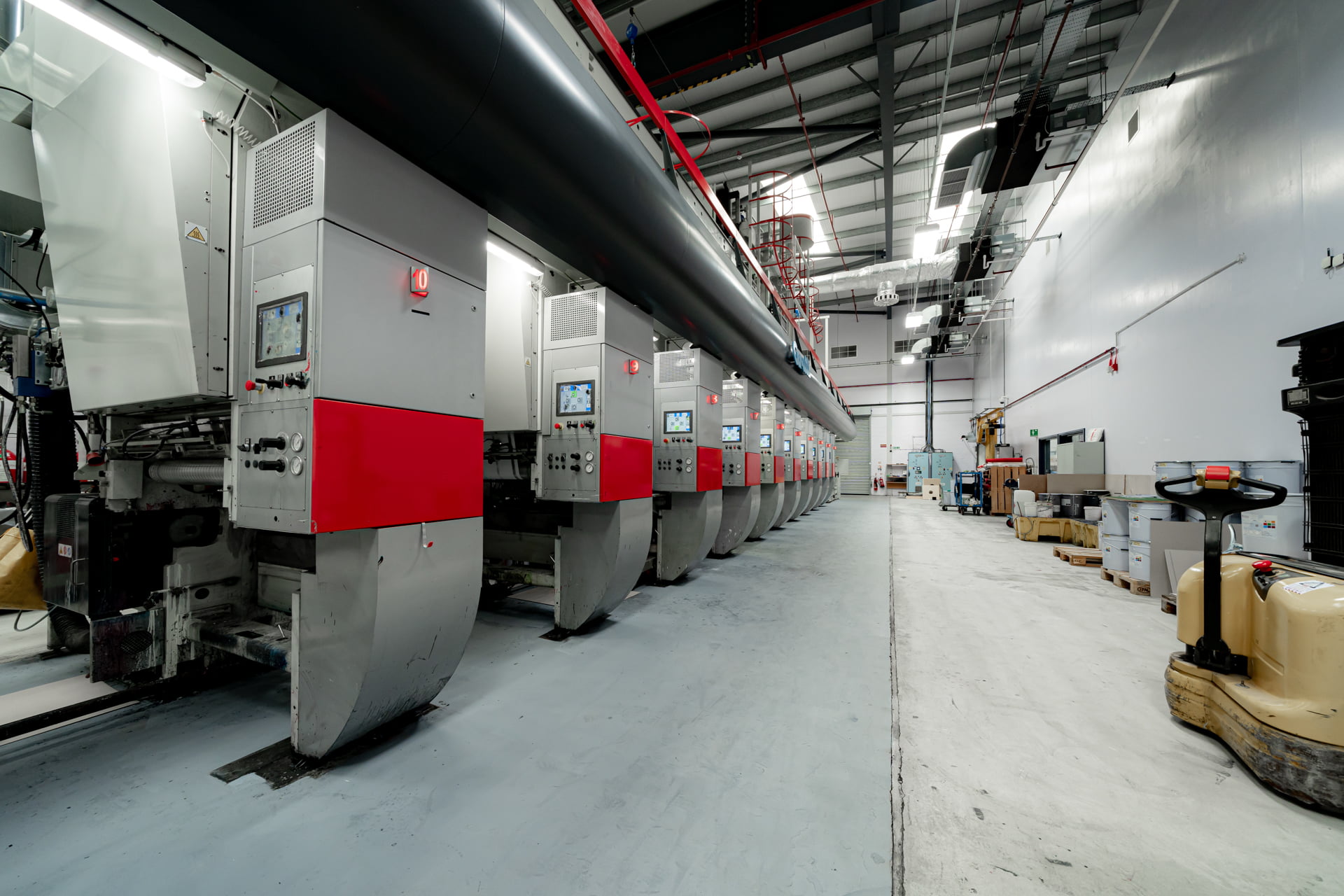
Visual consistency matters as well. If the film uses the actual line, equipment and controls, viewers can connect the explanation to the choices they make during a normal shift. Callouts, close-ups and carefully chosen pauses can draw attention to the critical evidence without making the production feel artificial. The purpose is not to dramatise the incident; it is to make the improved response unmistakable.
This approach works particularly well alongside quality-led corrective action programmes. Video can show what good looks like after a finding has been closed, while local leaders use observation, coaching and review meetings to check that the behaviour remains consistent. The film is then part of a management system, not a standalone communications asset.
Building a feedback loop after the film is published
Publishing the film is the start of the learning cycle rather than the end of it. Teams should have a simple way to report where the explanation is unclear, where the process has changed or where the expected behaviour is difficult to perform in practice. That feedback can guide a scheduled review and prevent an accurate film from becoming outdated as equipment, layouts or standards evolve.
Measurement does not need to be complicated. Operations leaders can look at whether the film is being used in the intended meetings, whether supervisors can explain the key control and whether repeat observations show the expected response. Where the lesson relates to reliability, teams can connect the learning to the same review rhythm used for maintenance performance and making reliability improvements visible.
The most valuable outcome is a stronger connection between evidence and action. People can see what happened, understand why the control matters and recognise how their own decisions influence the result. That shared understanding helps the organisation respond to future findings more quickly, with less reliance on memory and more confidence that the lesson will travel across shifts, departments and sites.
Making root cause learning durable
Root cause analysis creates value when it changes the way work is performed after the investigation is complete. Manufacturing video helps make that change tangible by combining the authority of the finding with the practical detail of the process. It gives teams a common language for the risk, the control and the response.
With a clear objective, authentic process detail and a planned feedback loop, the film can support onboarding, daily leadership routines, continuous improvement and cross-functional review. That makes the original investigation more than a record of what went wrong. It becomes a durable resource for preventing recurrence and building better operational judgement.