Innovation in manufacturing often starts with a small, carefully controlled pilot. A new cell is tested, a material behaves differently, or a prototype process shows that an old assumption can be challenged. The difficulty comes later: explaining what happened clearly enough for other departments, sites and decision-makers to support the next stage. Manufacturing video can turn that fragile early learning into evidence that people can understand, discuss and use.
A well-planned film does more than record a machine running. It captures the decisions around the pilot, the conditions that made it work, the people who solved problems and the details that must be repeated. That makes video a practical bridge between innovation teams and the wider business, especially when the project needs investment, operational ownership or a confident handover into production.
Make the pilot understandable beyond the project team
People close to an innovation project often underestimate how much context they carry in their heads. They know why a particular sequence was chosen, which measurement matters and where the process is still provisional. A colleague from procurement, finance or another factory may see only a brief demonstration and miss the reasoning that makes the result credible.
Video gives the pilot a shared visual language. A short interview can explain the original production challenge, while clear process footage shows the response in sequence. Cutaways of controls, materials, tooling and inspection points help viewers understand the relationship between cause and outcome. Instead of asking every stakeholder to reconstruct the story from a slide deck, the team can show the work as it actually happens.
This is particularly valuable when the pilot involves unfamiliar technology. Viewers do not need to become specialists before they can follow the logic. They can see the operating environment, hear the assumptions being tested and recognise the practical constraints that will shape scale-up.
Capture the details that make repeatability possible
A successful pilot is not automatically a repeatable process. Scale-up depends on details such as setup time, operator interaction, material movement, inspection routines and the points where a decision is made. These details are easy to omit from a presentation because they seem obvious to the people who were there.
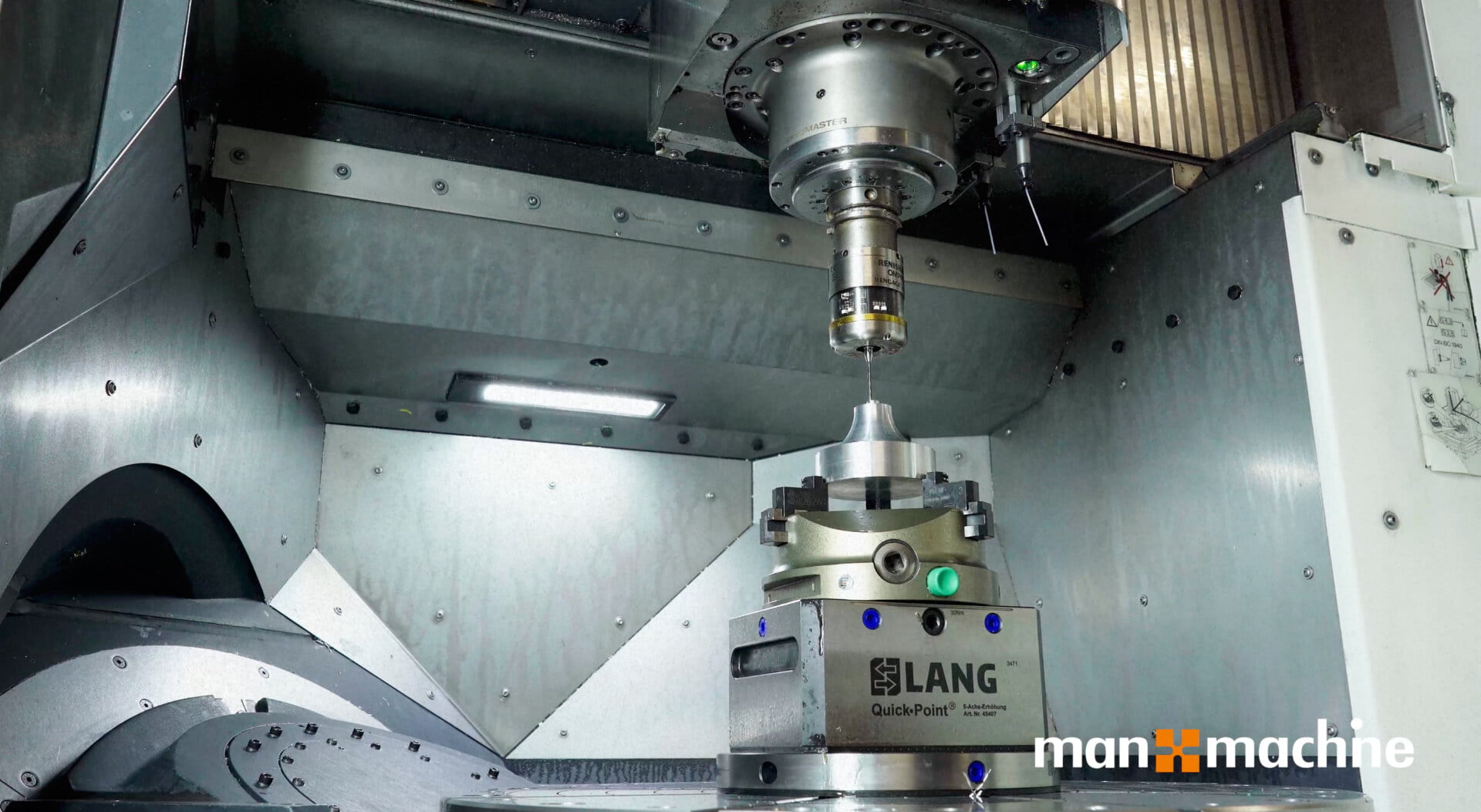
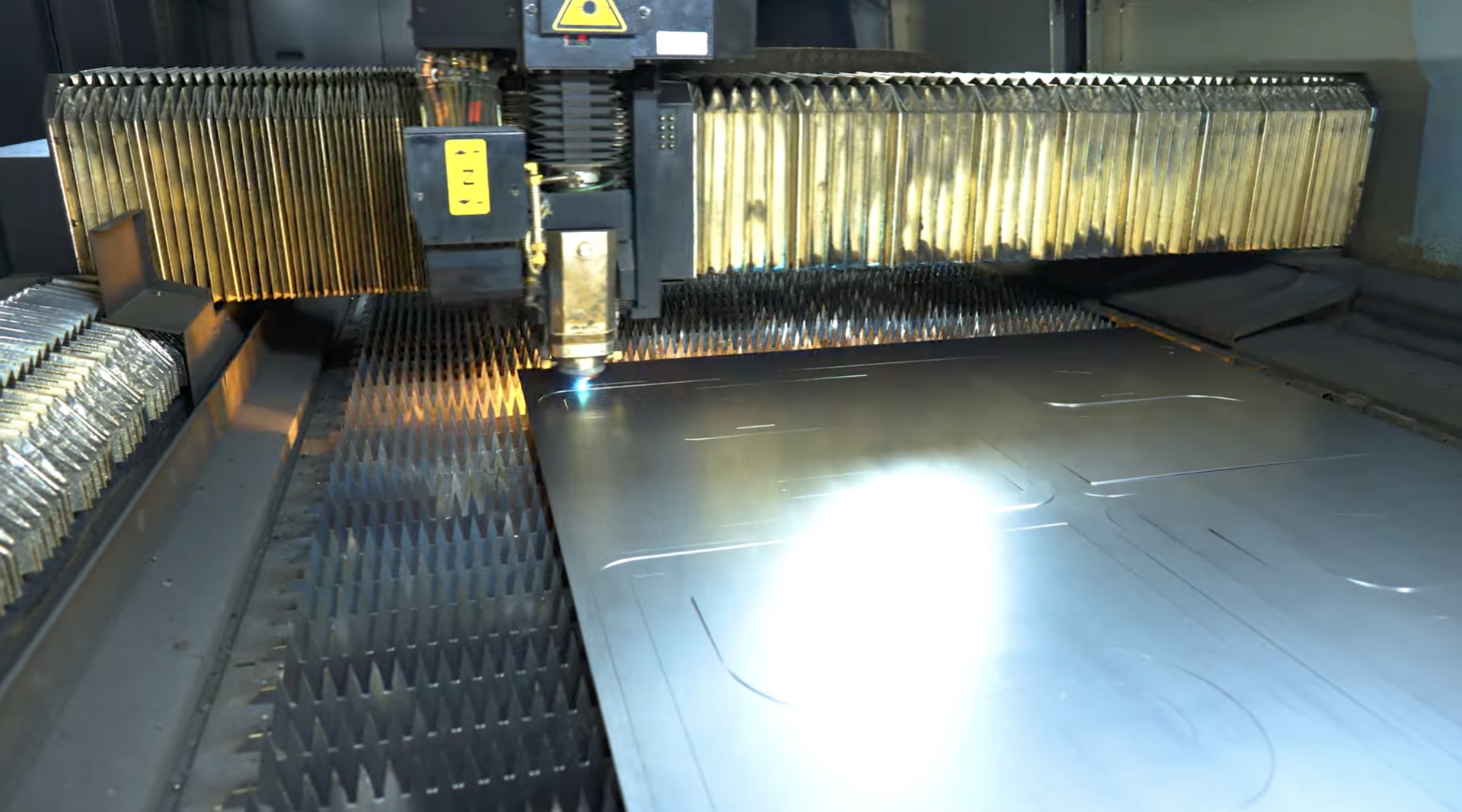
During filming, an experienced manufacturing video team can look for those details deliberately. Wide shots establish the layout, while close-up footage reveals hand positions, interfaces, fixtures and quality checks. The sequence can be filmed from the operator’s perspective as well as from a safe overview position, helping future viewers understand both the workflow and the working conditions.
The result becomes a useful reference for engineering, operations and training—not a substitute for controlled documentation, but a visual layer that makes written instructions easier to interpret. It also preserves knowledge before the pilot team moves on to another project or the temporary setup is dismantled.
Give decision-makers evidence they can act on
Moving from pilot to production usually requires more than technical enthusiasm. Leaders need to understand the commercial opportunity, the operational implications, the resources required and the risks that remain. A film can bring these dimensions together without turning the project into a collection of disconnected claims.
For example, the opening can establish the customer or production problem, followed by footage of the pilot addressing it. An engineer can explain the design choice, an operator can describe the practical difference on the floor, and a project lead can outline what must happen next. This structure makes the film useful in investment conversations because it connects technical progress to business consequences.
Good evidence is specific. Rather than saying that a new process is “more efficient”, the film can show the old constraint, the new method and the measurement being used to compare them. When figures are sensitive, the narrative can still explain the type of improvement, the validation approach and the conditions under which the result applies.
Build a handover package for the next stage
Scale-up often fails at the handover between teams. Innovation may sit with a central group while production owns the day-to-day reality. A concise collection of video assets can help both sides work from the same understanding: a hero film for leadership, a process overview for cross-functional teams and focused clips for specific decisions or training conversations.
Planning the edit around future uses keeps the content practical. Chapters can separate the problem, the pilot method, the evidence, the operator experience and the scale-up requirements. Shorter versions can be created for internal meetings, while a fuller cut preserves the context that a new site or supplier may need later.
This approach also complements wider process footage for better manufacturing decisions. The same discipline—showing what happens, why it matters and what should be examined next—helps audiences ask more useful questions instead of relying on broad promises.
Plan filming around learning, not just appearance
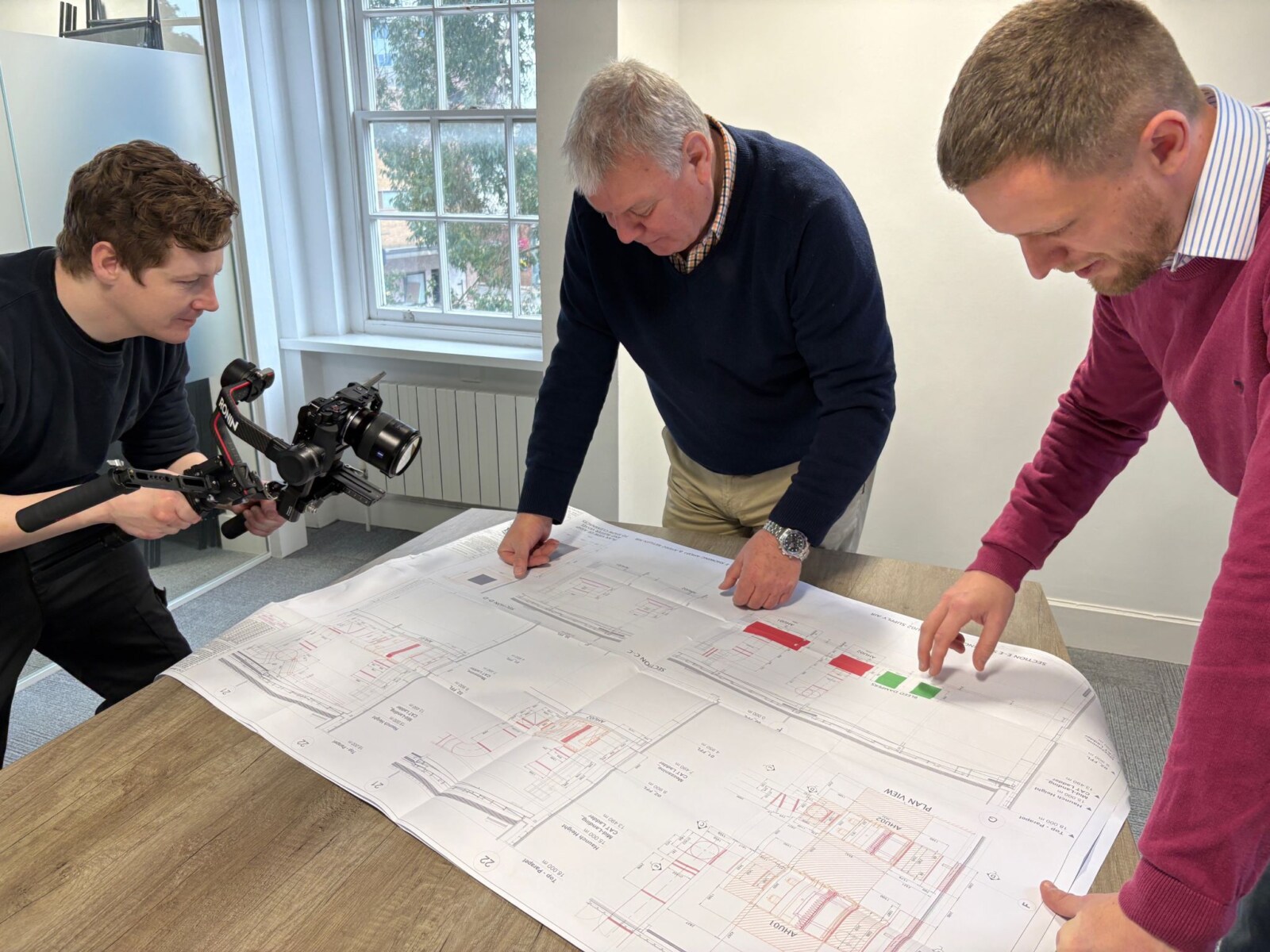
The strongest innovation films are designed before the camera arrives. Start by listing the decisions the audience must be able to make after watching. Then identify the people, locations, measurements and process moments that support those decisions. This prevents the shoot from becoming a polished tour with no clear account of what was learned.
Safety and confidentiality need equal attention. Agree filming zones, PPE, access routes, data-screen rules and any areas that cannot be shown. Make sure the pilot can continue without disruption and that operators are comfortable explaining their work in their own language. Authenticity comes from accurate observation, not from asking people to perform a scripted version of the process.
Finally, keep the story honest about what is proven and what is still being tested. Credibility improves when the film acknowledges the next technical or operational question. That honesty gives leaders a clearer basis for supporting the work and gives receiving teams a more realistic starting point.
Turn early learning into momentum
A pilot creates value when its learning travels. Manufacturing video helps that happen by making complex work visible to people who were not in the room, on the shift or at the original test site. It preserves the evidence, the human decisions and the practical conditions that allow a promising idea to move forward.
For teams preparing a major transition, the same principle applies to bringing new product launches onto the factory floor and to proving engineering capability before important conversations. When the story is grounded in real work, video becomes more than promotion: it becomes a durable tool for alignment, confidence and better decisions at scale.