Manufacturing bids are often won or lost before a buyer reaches the final commercial discussion. A written response may contain every required specification, but it still leaves reviewers translating descriptions into an idea of what a supplier can actually deliver. For a bid team, that gap creates unnecessary uncertainty: can the site handle the volume, do the people understand the process, and will the proposed approach work beyond the presentation?
A focused manufacturing video gives technical evidence a more immediate form. It lets prospects see the environment, the sequence of work and the standards behind the finished result. Used well, it does not replace a tender response; it gives the response a credible, memorable reference point. That makes complex capability easier to compare and gives commercial teams a stronger way to keep the conversation grounded in proof.
Turn a written capability statement into visible evidence
Most factories have a story that is difficult to communicate in a few pages. The important details may include material flow, inspection points, specialist equipment, clean working practices, traceability or the way teams manage exceptions. These details matter to a prospective customer, yet they can disappear inside generic phrases such as “robust processes” or “high-quality production”. A carefully planned film brings the specific evidence forward.
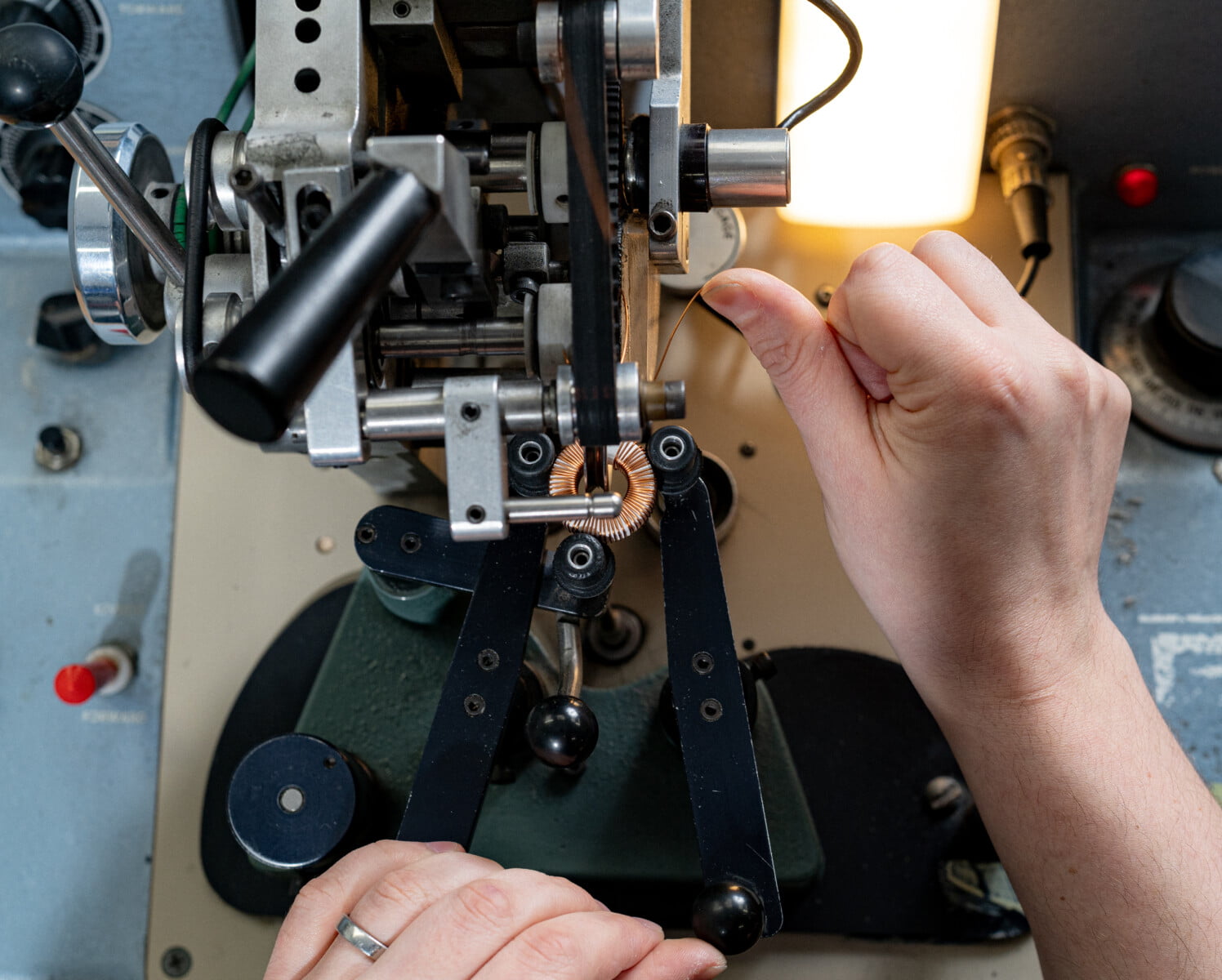
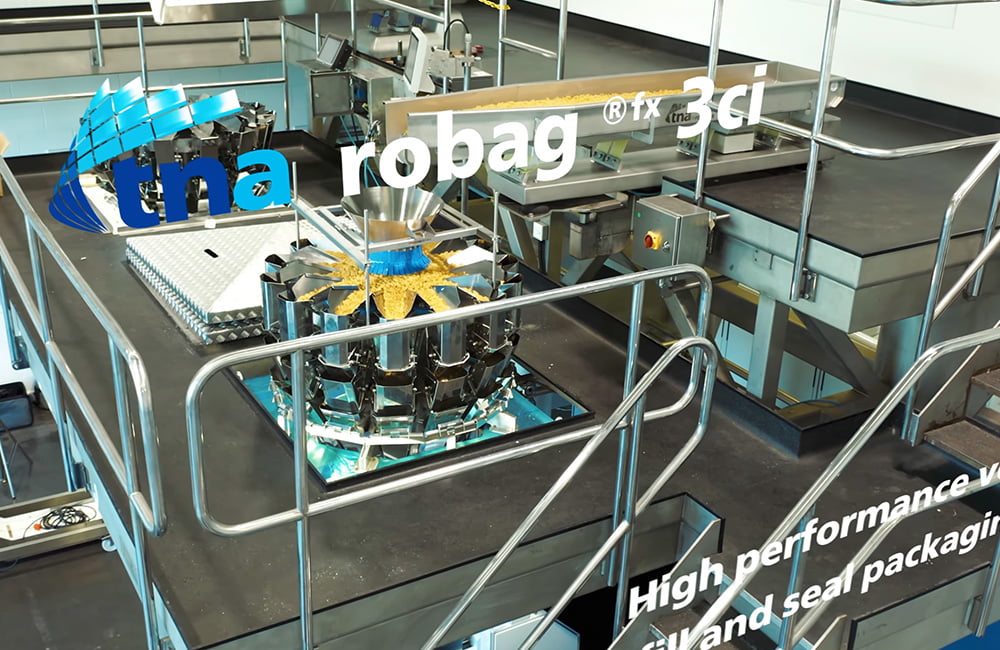
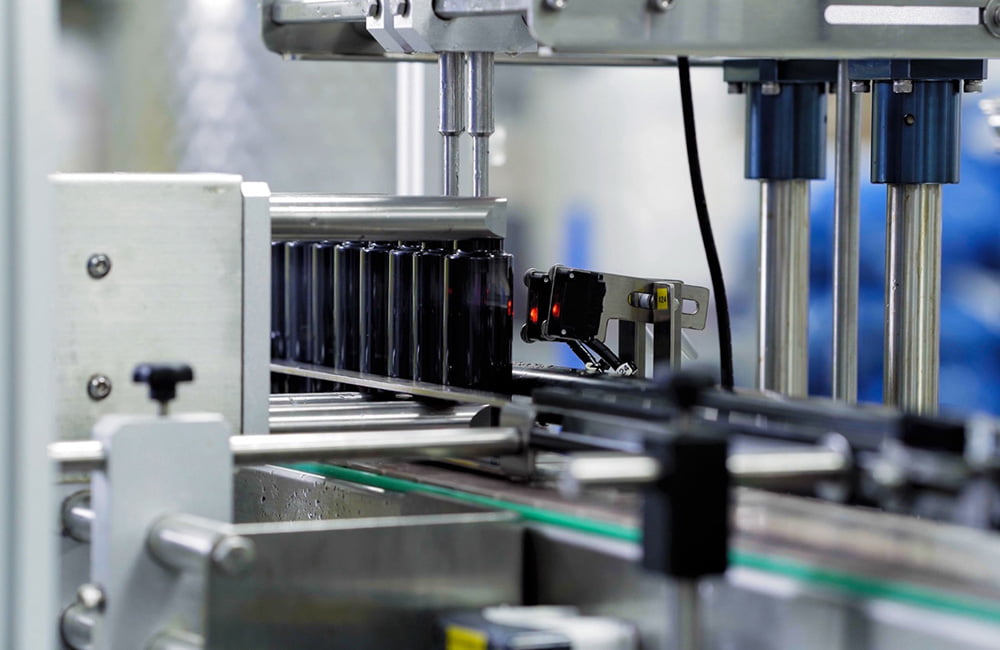
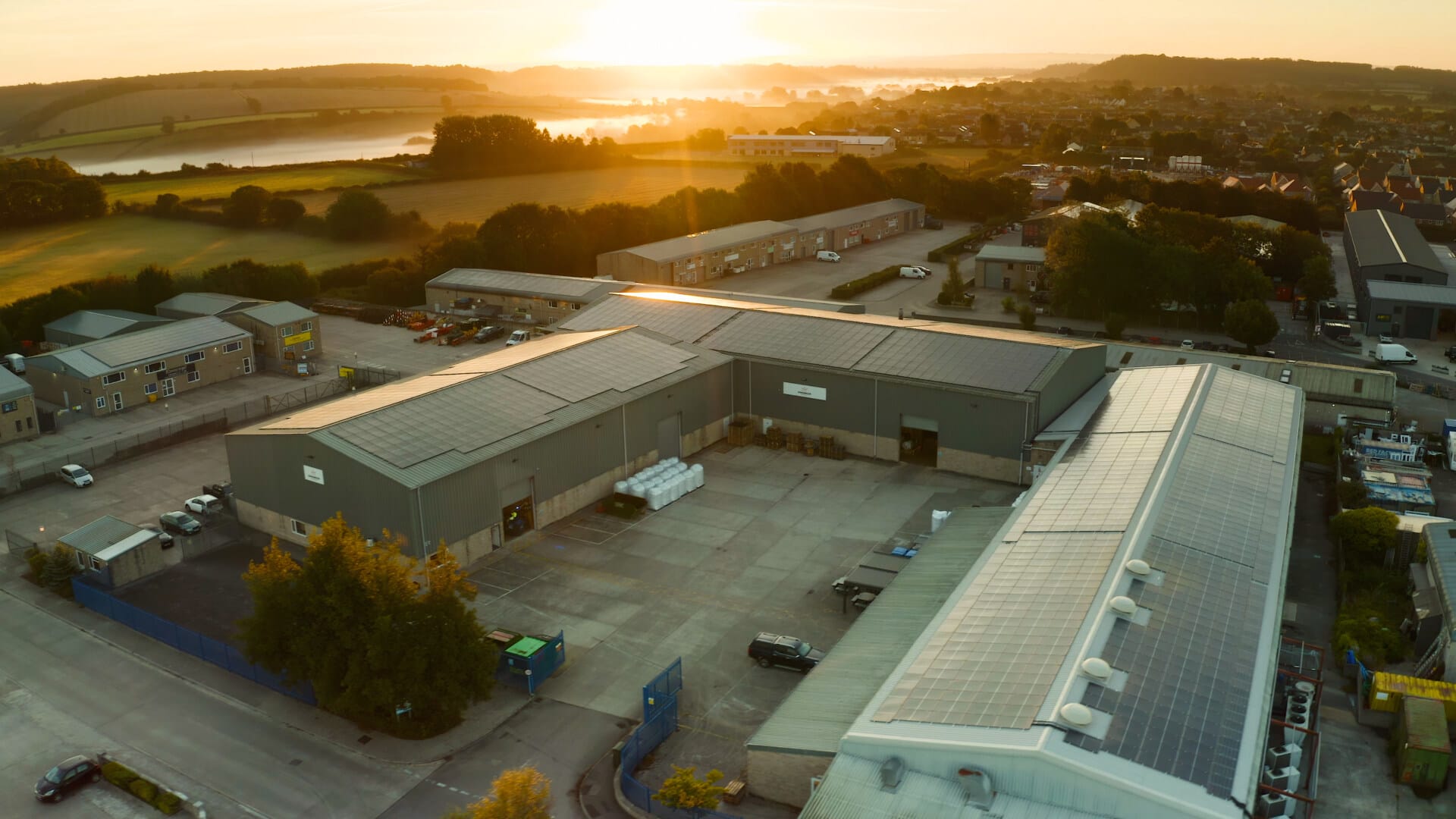
The strongest sequences are not simply a collection of attractive machine shots. They show how capability is organised. A viewer can follow a component entering the process, see where decisions are made, and understand how the team protects quality at each stage. Close-ups can reveal the detail that supports a claim, while wider views establish the scale and discipline of the operation. This combination helps a bid reviewer build an accurate mental model without needing to arrange another visit before the shortlist.
That visual proof also supports commercial leaders turning technical proof into growth. When the film is aligned with the language of the bid, the same evidence can move naturally from a tender portal to a sales presentation, proposal email or account review.
Make comparisons fairer for non-specialist reviewers
Bid panels rarely consist only of engineers. Procurement, finance, operations and senior leadership may all assess the same submission, each looking for a different form of confidence. One reviewer may care about capacity, another about repeatability, and another about whether the supplier will be easy to work with during implementation. A film can give all of them a shared reference without forcing every reader to interpret technical shorthand in the same way.
That does not mean simplifying the message until it becomes vague. Instead, the video should give each important claim a visible anchor. If the proposal discusses inspection, show the people, equipment and handoff involved. If it promises flexibility, show the changeover or planning discipline that makes flexibility possible. If it describes a controlled environment, let the viewer see the behaviours and safeguards rather than relying on adjectives. The result is a more balanced comparison between suppliers because the panel has something concrete to discuss.
It is especially valuable when a bid team is competing against larger businesses with more familiar names. A well-produced film can make a specialist manufacturer feel legible and dependable in minutes. The aim is not theatrical scale; it is to make the right operational details easy to find, remember and relate to the buyer’s own requirements.
Show the people and decisions behind repeatable delivery
Equipment can demonstrate investment, but people demonstrate control. Buyers want to know who notices a deviation, who owns the next decision and how knowledge is shared when the work is busy. Including operators, engineers, quality specialists and supervisors gives the viewer a clearer sense of the organisation behind the process. Short, precise contributions are often more persuasive than a long scripted statement because they connect expertise to a real responsibility.
Filming should also capture the moments where repeatability is protected: a first-off check, a documented handover, a review of measurements or a discussion about an improvement. These are not interruptions to the production story; they are the production story. They show that results come from a system rather than from one exceptional individual. That distinction can reduce perceived supplier risk, particularly for a buyer considering a long-term contract or a technically demanding launch.
For training and operational credibility, the same principle appears in manufacturing video for repeatable best practice. The bid film can remain concise while still revealing the habits that make delivery dependable.
Build a bid asset that keeps working after submission
A bid video should be planned as a useful business asset, not a disposable response attachment. Start with the buyer’s evaluation criteria and identify three or four claims the footage must prove. Then plan the route through the site, the people who need to be available and the shots that will make each claim understandable. This keeps the production focused and avoids filling the edit with disconnected visuals.
It is also worth creating a small family of cutdowns from the main film. A short capability overview can sit near the top of a proposal, while focused clips can support quality, engineering, sustainability or fulfilment questions. Captions and a clear spoken structure make the content easier to use in meetings and accessible when a reviewer is watching without sound. Consistent naming and version control matter too, particularly when a bid team is working across several opportunities at once.
After submission, the film can continue to support site visits, onboarding, customer updates and internal alignment. It can help a new contact understand the operation before the first meeting, then give existing customers a useful reminder of the capability they are buying. For teams preparing other visual proof, engineering teams proving capability before the first meeting offers a complementary way to think about the buyer journey.
The commercial value of manufacturing video is therefore not limited to making a bid look more polished. Its real contribution is helping a buyer interpret evidence with less effort and less uncertainty. When the story is built around the claims that matter, the factory becomes easier to understand, the comparison becomes more meaningful and the bid team can spend its time discussing value rather than explaining what the viewer has just seen.