Manufacturing businesses often have no shortage of expertise. The challenge is making that expertise understandable to people who are not standing beside the machine, walking the line or speaking with the operator who knows every small decision behind a successful run. A well-planned manufacturing video can turn that hidden knowledge into a clear, useful story that creates momentum with customers, colleagues and future partners.
Make the process understandable before the conversation begins
Industrial buyers rarely need another broad claim about quality, innovation or reliability. They want to understand how those promises are delivered. They want to see the controls, checks, people and decisions that make an outcome repeatable. Video is particularly effective because it can connect the finished product with the process behind it: the raw material entering the facility, the stages it passes through, the points where specialists intervene and the evidence that confirms the work is on track.
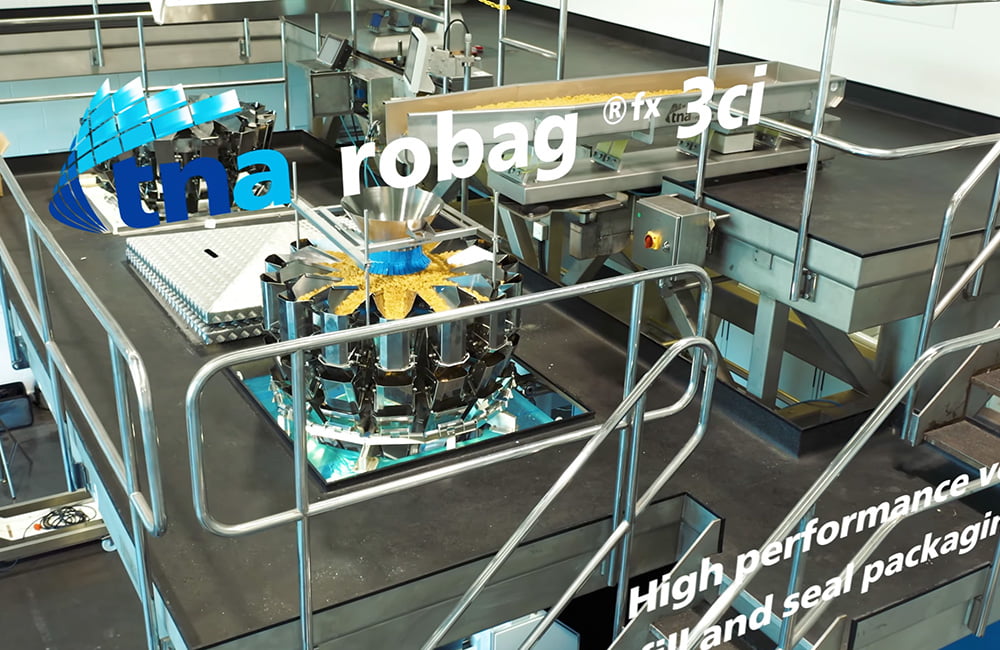
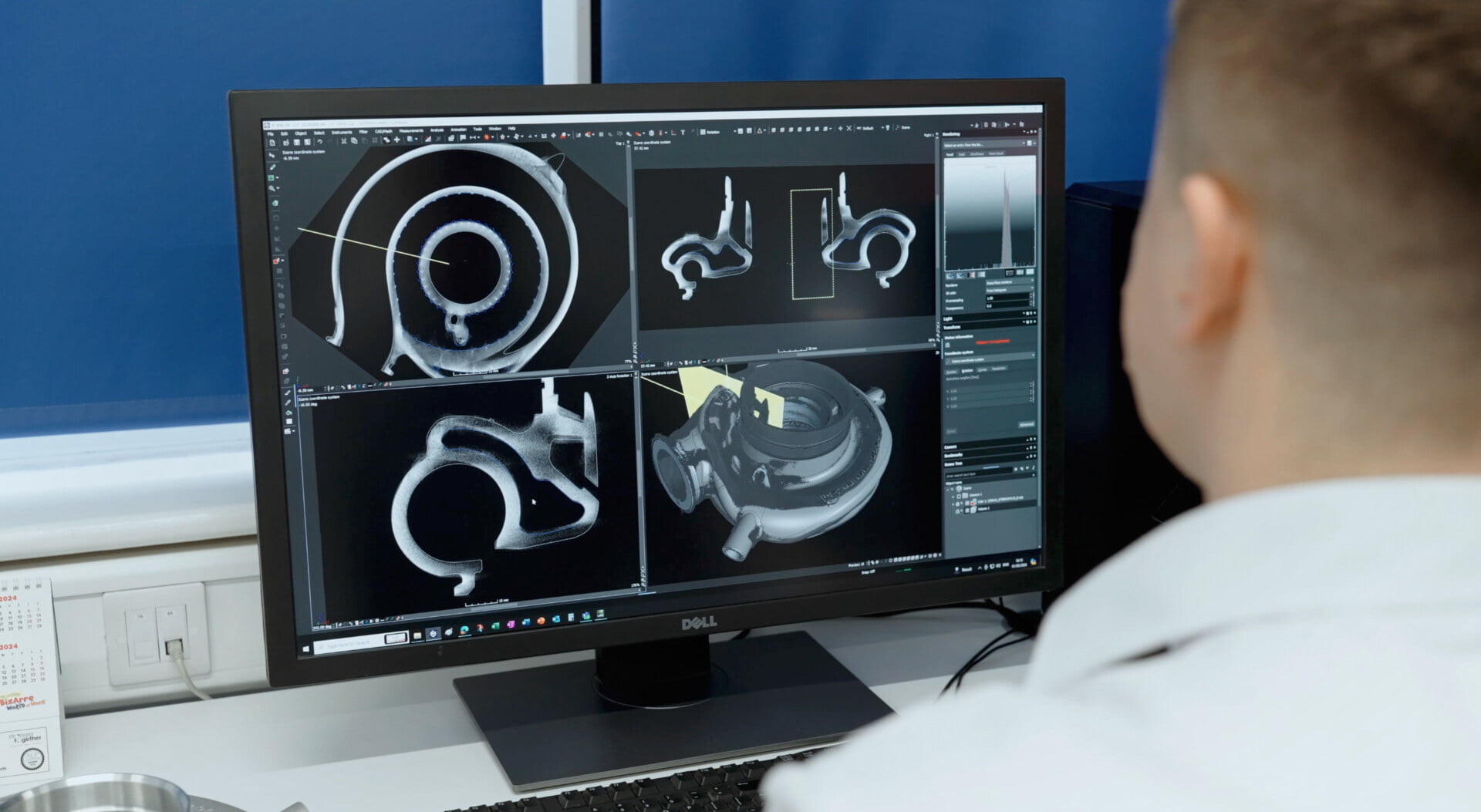
This context helps a technical audience form useful questions earlier. Instead of spending an opening meeting establishing what a company actually does, sales teams can begin with the buyer’s application, timescale or risk. A short sequence showing an inspection step may do more to establish confidence than a paragraph describing attention to detail. A close-up of tooling, a carefully framed wide shot of the line and a considered interview with an engineer can work together to make complex capability feel tangible.
The strongest films do not attempt to show every machine or department. They choose a clear route through the operation and give each shot a job. That discipline keeps the viewer oriented and ensures the story supports a commercial objective rather than becoming a collection of attractive factory footage.
Show the decisions that protect consistency
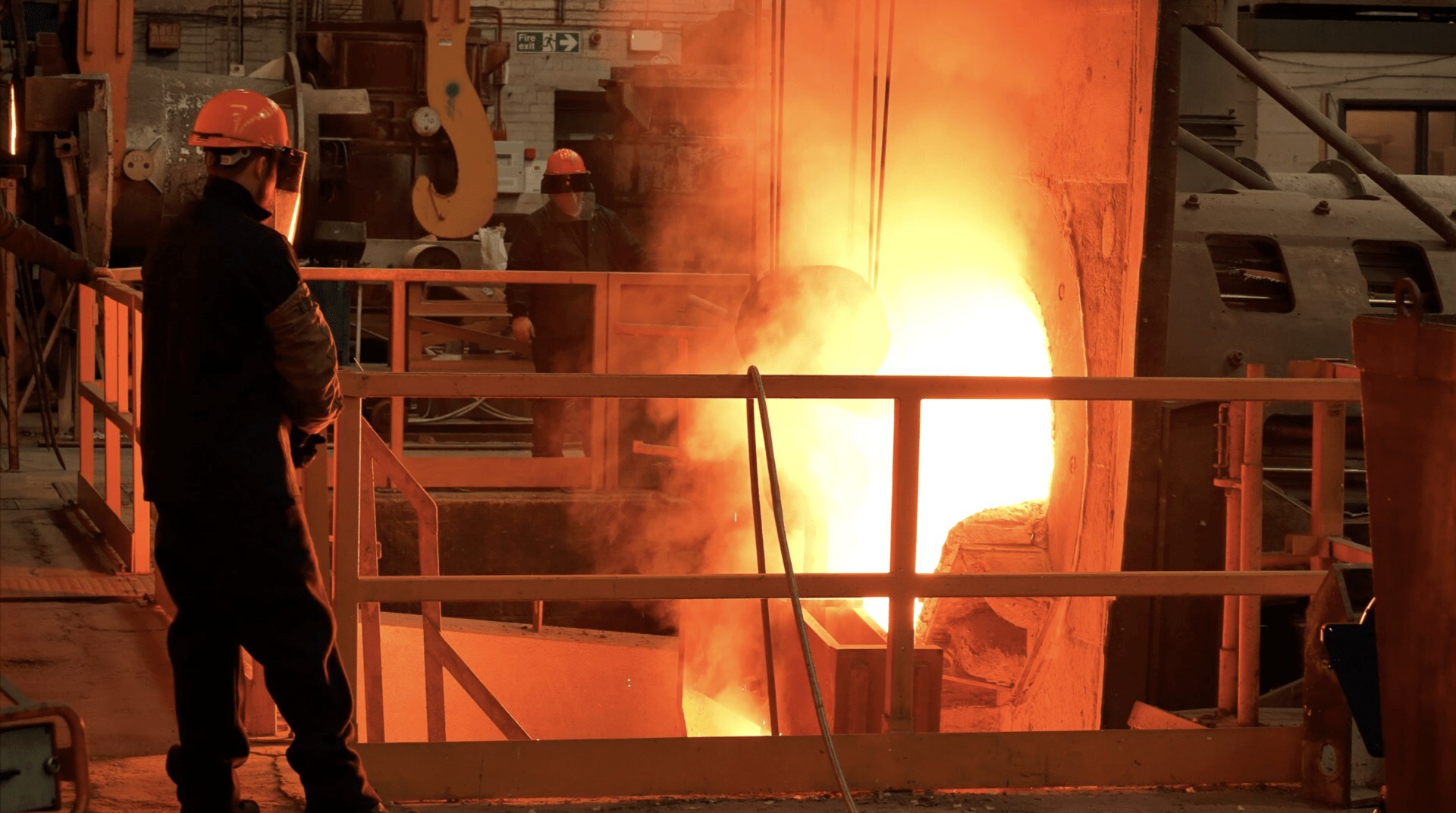
Processes become persuasive when viewers can see how variation is managed. A manufacturing video might reveal how materials are prepared, how settings are checked, how operators respond to an exception or how finished work is tested before it leaves the site. These moments communicate maturity because they show that performance does not depend on luck or one heroic individual. It depends on a system that people understand and maintain.
This is also where production planning matters. Before filming, it is worth speaking with production, quality and maintenance leads to identify the decisions that genuinely distinguish the operation. They may point to a calibration routine, a traceability check, a changeover method or a practical piece of knowledge that is invisible to visitors. Building the filming plan around those details produces a more credible result than relying on generic shots of machinery moving.
Good coverage can serve internal audiences too. The same visual explanation that reassures a prospective customer may help a new starter understand the relationship between stages of work. It can give teams a shared reference when a process changes, especially when the film is supported by captions, diagrams or short chapters. For a related perspective, see how manufacturing video can communicate operational change without disruption.
Build a library rather than a single-use asset
A useful production does not have to end with one hero film. A planned shoot can generate a small library of material for different moments in the buying journey: a concise overview for a website, a deeper process section for a sales presentation, a vertical cut for social media and short clips that answer recurring customer questions. This approach gives the original filming day a longer commercial life while keeping the message consistent across channels.
Planning for reuse means capturing the right variety of material. Alongside the main action, the crew can gather clean environmental shots, detail footage, team interactions, product handling and short comments from subject-matter experts. It is important to record enough context for each clip to make sense when separated from the main edit. A shot of a control panel becomes more valuable when it is paired with an explanation of what the operator is checking and why that check matters.
Editing should preserve that clarity. Captions can carry terminology without forcing the viewer to remember it, while simple graphics can explain flow, scale or sequence. The final structure should make it easy for a busy viewer to find the part most relevant to them. That is especially helpful when a sales team needs to share one precise section with a prospect rather than send an unnecessarily long video.
Connect visual proof to commercial action
Video earns its place when it helps someone take the next step. That might be requesting a technical discussion, asking for a sample, arranging a site visit or sharing the film with another decision-maker. The call to action should follow naturally from what the viewer has just learned. If the film has demonstrated a specialist process, invite the viewer to discuss their application. If it has shown rigorous quality control, point them towards a conversation about specification and assurance.
Distribution also deserves thought. A film can support a landing page, a proposal, an email sequence, a trade-show screen or a follow-up from an account manager. Each setting may need a different edit or introduction, but the underlying evidence should remain consistent. This creates a more joined-up experience for buyers who encounter a company through several channels.
Manufacturing video is most valuable when it makes expertise easier to see, understand and act upon. By focusing on real decisions, repeatable standards and the people who maintain them, manufacturers can replace vague reassurance with useful proof. That same principle is explored in making quality standards visible through manufacturing video, while teams thinking about maintenance can also learn from turning maintenance expertise into faster decisions.