Continuous improvement is built from small decisions: a setting adjusted, a handover clarified, a recurring defect understood, or a proven method shared with another shift. Yet the value of those decisions can be difficult to see from outside the plant, and even harder to communicate across departments. Manufacturing video gives plant managers a practical way to make improvement visible, specific and repeatable.
A well-planned film does more than show machinery in motion. It captures the reasoning behind a process, the people who make it work and the details that demonstrate control. That combination helps leadership teams understand progress, gives customers confidence in operational discipline and gives employees a clear reference point when a better way of working needs to spread.
Turn improvement activity into a clear operational story
Plant managers often have plenty of evidence that improvement is happening, but it is scattered across shift notes, quality reports, photographs, dashboards and conversations on the factory floor. Video brings those fragments together. A short sequence can show the starting point, the change introduced and the result achieved without asking every viewer to interpret a technical document.
The strongest manufacturing films are structured around a useful question rather than a list of shots. What was slowing the line down? How was a quality risk reduced? Which decision made a measurable difference? When the production team explains the problem in its own language, the finished film retains the credibility of a real improvement story while remaining accessible to commercial, board-level and customer audiences.
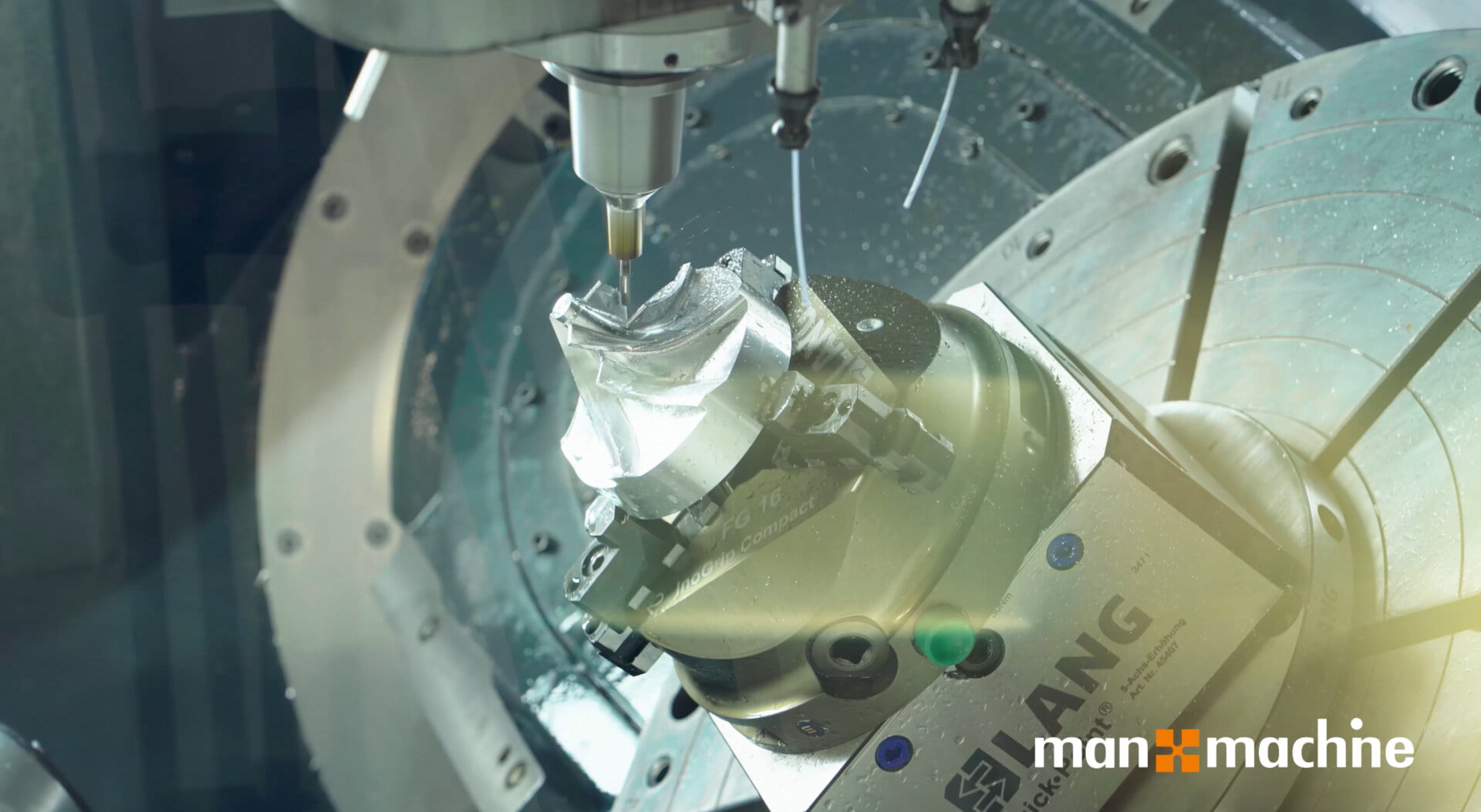
This is especially valuable when the improvement is not visually dramatic. A revised inspection routine, a clearer material flow or a more reliable maintenance check may look ordinary to a visitor. Careful filming can reveal the decisions, checks and outcomes that sit behind the ordinary moment. The result is a piece of evidence that shows maturity instead of relying on broad claims about excellence.
Show the people and controls behind better performance
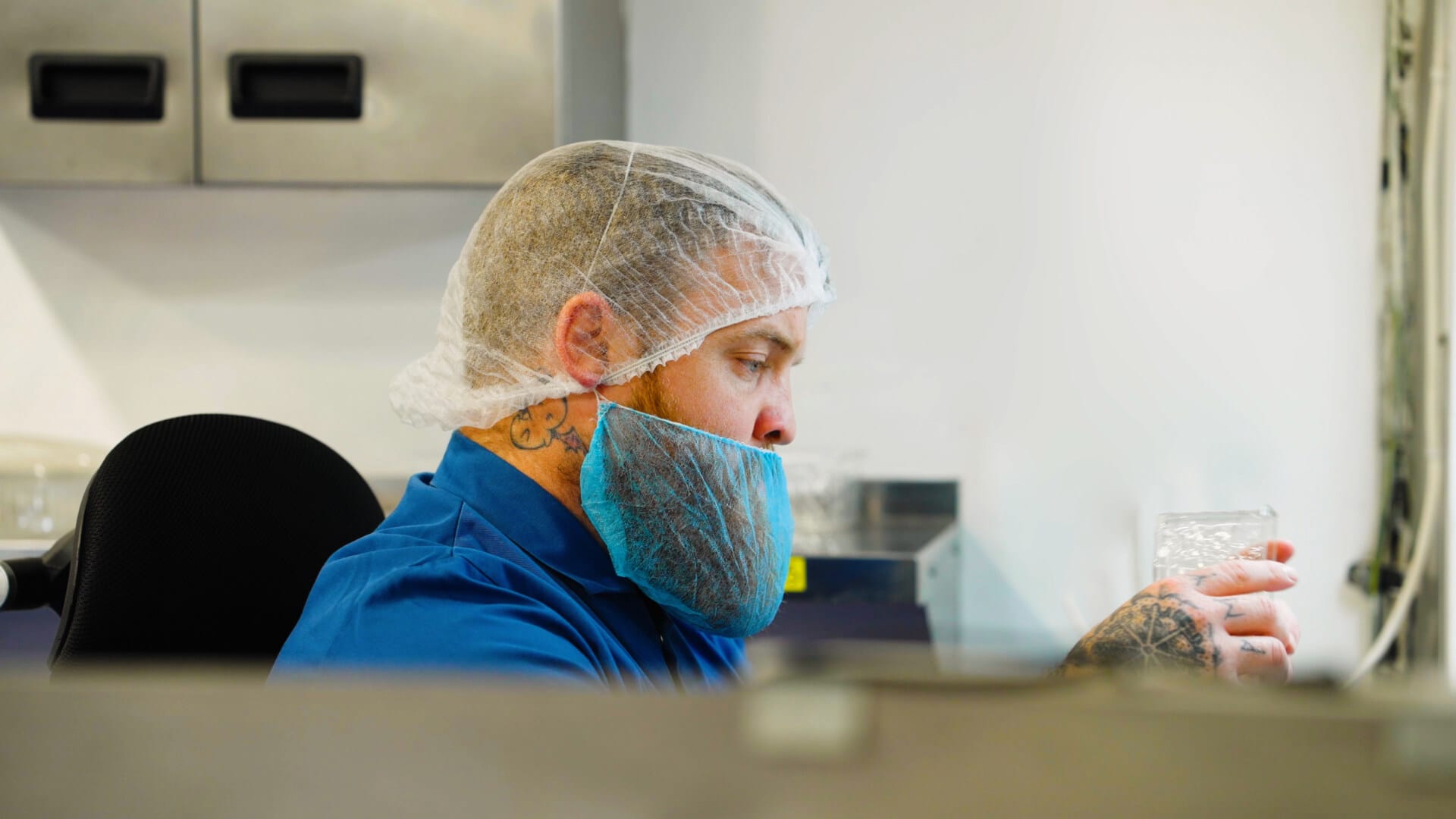
Continuous improvement depends on practical knowledge. Operators recognise small variations, engineers understand constraints and quality teams know which details protect the customer. Including those voices gives a film more authority than a purely polished overview. It also acknowledges that performance comes from coordinated expertise, not from equipment alone.
Plant managers can use interviews, demonstrations and observational footage together. An operator might explain why a change makes a task safer or more consistent. An engineer can describe the design thinking behind a modification. A quality lead can point to the control that confirms the improvement is holding. These perspectives create a simple chain from action to assurance, helping viewers understand not only what changed but why it can be trusted.
That same approach supports internal communication. A team preparing a new line, training a new starter or standardising work across several sites can use the film as a shared reference. It complements formal documentation by showing pace, sequence, context and judgement. For guidance on making operational standards more tangible, see how manufacturing video helps quality teams make standards visible.
Make progress easier for customers and stakeholders to understand
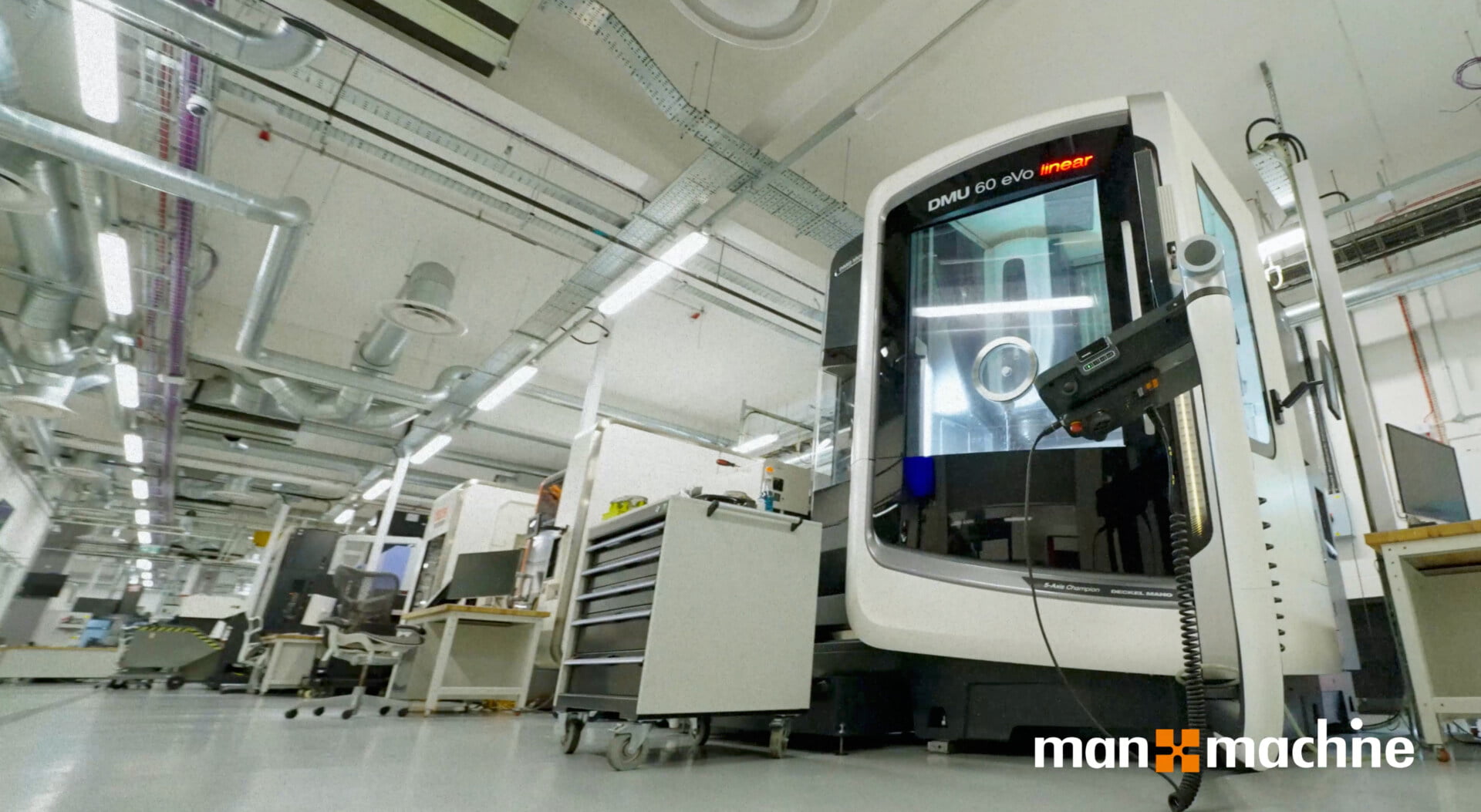
External audiences rarely see the full improvement programme. Customers may visit once a year, while prospective partners may only encounter a specification, a proposal or a sales presentation. A concise film can close that gap by showing the environment in which quality is produced. It turns abstract reassurance into observable detail: organised work areas, measured checks, controlled movements and people who can explain their responsibilities clearly.
Used well, the film does not disclose sensitive information or turn the factory into a stage set. It selects the right level of detail. Plant managers can show the principles behind an improvement while protecting proprietary settings, customer data and restricted areas. The emphasis remains on confidence: evidence that the organisation notices problems, learns from them and builds stronger processes over time.
This is also useful when a site visit is not practical. A buyer can see the discipline of a production environment before travelling, then arrive with more informed questions. That makes conversations more productive and helps the commercial team connect operational progress to customer value. It builds on the role of video in helping buyers see quality before a site visit, particularly for complex or highly technical supply decisions.
Build a reusable asset for the improvement programme
A single production can create more than one finished film. The main story might explain a major improvement, while shorter edits focus on safety, quality, sustainability, recruitment or customer assurance. Capturing clean details, natural explanations and purposeful cutaways gives the plant a library of material that can support future communications without repeating the same shoot.
The key is to plan for reuse from the beginning. Agree the audiences, approval boundaries and measurable points before filming. Identify which claims need evidence, which areas require confidentiality and which employees should be involved. When the production process is led by the improvement story, the footage remains useful long after a campaign ends.
Plant managers do not need to make every improvement look revolutionary. They need to make progress understandable. A thoughtful manufacturing video shows the choices that raise standards, the people who sustain them and the outcomes that matter. For a related view of how footage can support wider operational communication, explore how manufacturing video helps operations teams communicate change without disruption.
When continuous improvement is visible, it becomes easier to recognise, explain and repeat. That strengthens internal alignment while giving customers a more credible reason to believe that the organisation will deliver consistently.