In manufacturing, a process is only as reliable as the handover between the people who understand it and the people who must repeat it. When a new line is commissioned, a product moves into production, or a proven method is introduced at another site, written instructions alone rarely capture the judgement involved. A well-planned manufacturing video can make that knowledge easier to see, discuss and apply.
This is especially valuable for technical operations teams working across production, engineering, quality and training. They need to communicate sequence, context and decision points without slowing the factory down. Video gives them a practical way to show what good looks like while preserving the reasoning behind each action.
Why process handovers lose detail
A handover often starts with strong intentions. A project team produces a specification, an engineer explains the equipment and an operator shares the shortcuts that have been learned on the floor. As the information passes between departments, however, the detail becomes compressed. A document may state that a setting must be checked, but not show the visual cue that tells an experienced operator when the setting is drifting.
There is also a difference between knowing a process and being able to describe it. Small movements, checks, pauses and workarounds may feel obvious to a specialist, yet they can be difficult to translate into text. A concise film can hold those details in one place, giving new team members and remote colleagues a shared reference instead of several competing explanations.
Show the sequence, not just the finished result
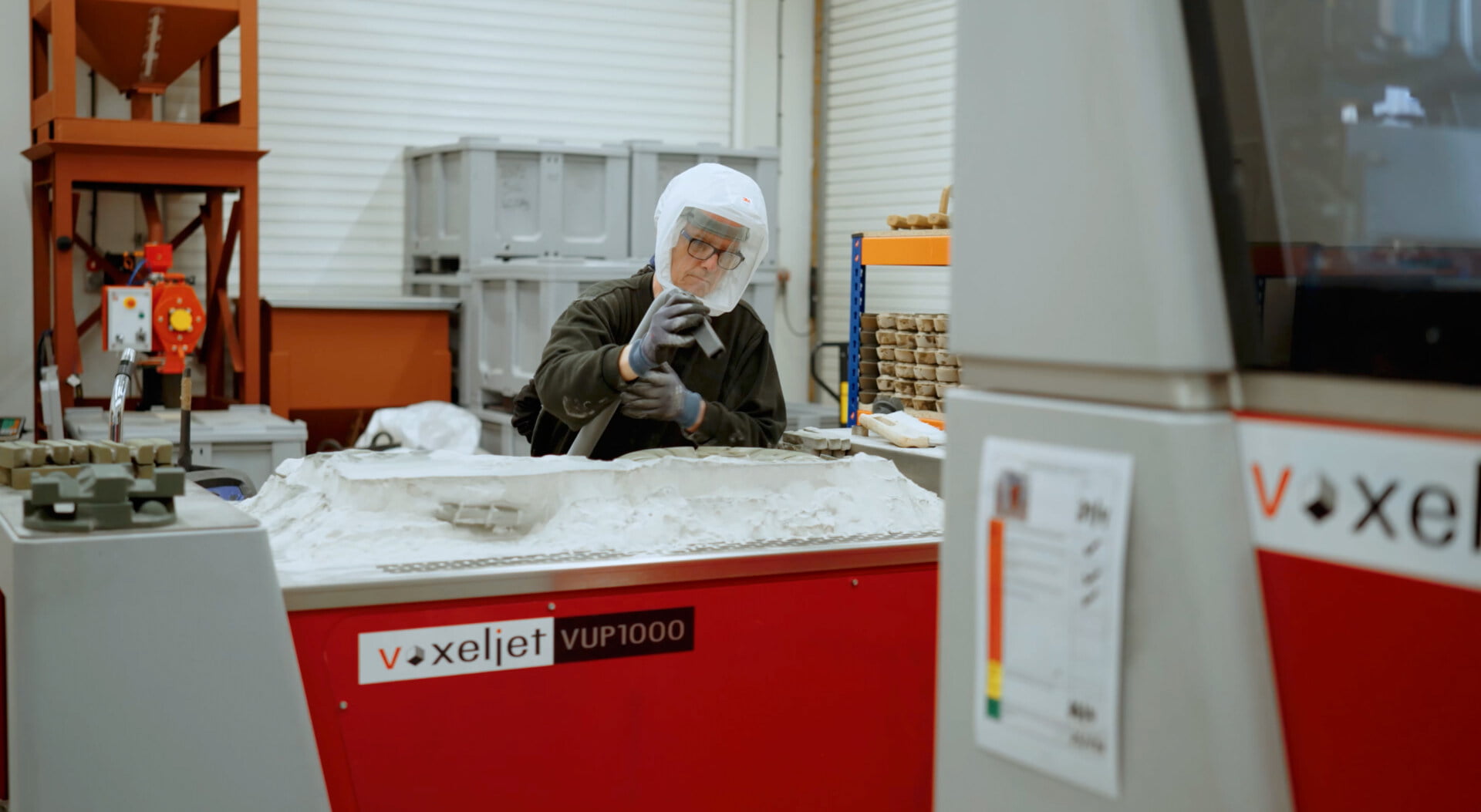
The strongest operational films are built around the real sequence of work. They show the preparation before a task, the critical steps during it and the checks that confirm the outcome. Close-ups can reveal a control, material or inspection point, while wider shots explain how the activity fits into the wider cell or production area.
That visual sequence is useful when teams are aligning technical intent with day-to-day execution. It complements the kind of communication that helps engineering leaders turn technical alignment into faster delivery, because people can see how a design decision affects the work around it. The result is not a substitute for controlled documentation; it is a clearer companion to it.
Make decision points visible
A process video should not make every action look equally important. The viewer needs to know where attention matters most: the point at which a measurement is taken, the sign that a component is seated correctly, or the condition that requires a stop and escalation. These moments can be supported with careful framing, natural sound, short captions or a calm voiceover.
Showing decision points also helps experienced staff explain their judgement without turning the film into a lecture. An operator can demonstrate what they look for and why it matters, while the production team keeps the language grounded in the environment where the work actually happens. This makes the content more credible and more useful during refresher training, audits and improvement reviews.
Support training without removing ownership
Video works best when the people who perform the work help shape the story. Before filming, ask operators, supervisors and engineers which steps are often misunderstood and which variations need to be explained. Their input can prevent a polished film from overlooking the practical realities of changeovers, access, cleaning, inspection or maintenance.
Once published internally, a process film can become part of a wider learning pathway. A new starter might watch the overview before a supervised shift, then return to a short section before attempting a specific task. A team leader can use the same footage to prompt discussion rather than simply telling people to memorise a checklist. This approach pairs well with clearer explanations of complex industrial work, because both audiences benefit from seeing how capability is demonstrated in practice.
Build a library that stays useful
A single long film is rarely the best long-term answer. Consider creating a small library: one overview for context, several short process chapters, and focused clips for checks or common failure points. Give each asset a precise title, version date and owner. That makes it easier to replace one section when a fixture, material or control changes rather than reworking every piece of communication.
It is also worth reviewing the library as part of normal operational governance. Retire footage when the process changes, confirm that the location and equipment still match, and invite feedback from the people who use the videos. A structured approach turns filming into a durable knowledge system rather than a one-off communications project. For teams planning a broader rollout, video can also help move learning from pilot projects into repeatable production practice.
Plan the film around the work
The most effective manufacturing video is usually planned with the same care as the process it represents. Define the audience, the decision the viewer needs to make and the evidence that will build confidence. Coordinate filming around safe access and production constraints, protect sensitive information, and allow enough time for authentic demonstrations rather than rushed retakes.
When the finished film respects the people, equipment and standards involved, it becomes more than a visual record. It becomes a shared way to transfer expertise, reduce ambiguity and keep important work consistent as teams, products and sites change.