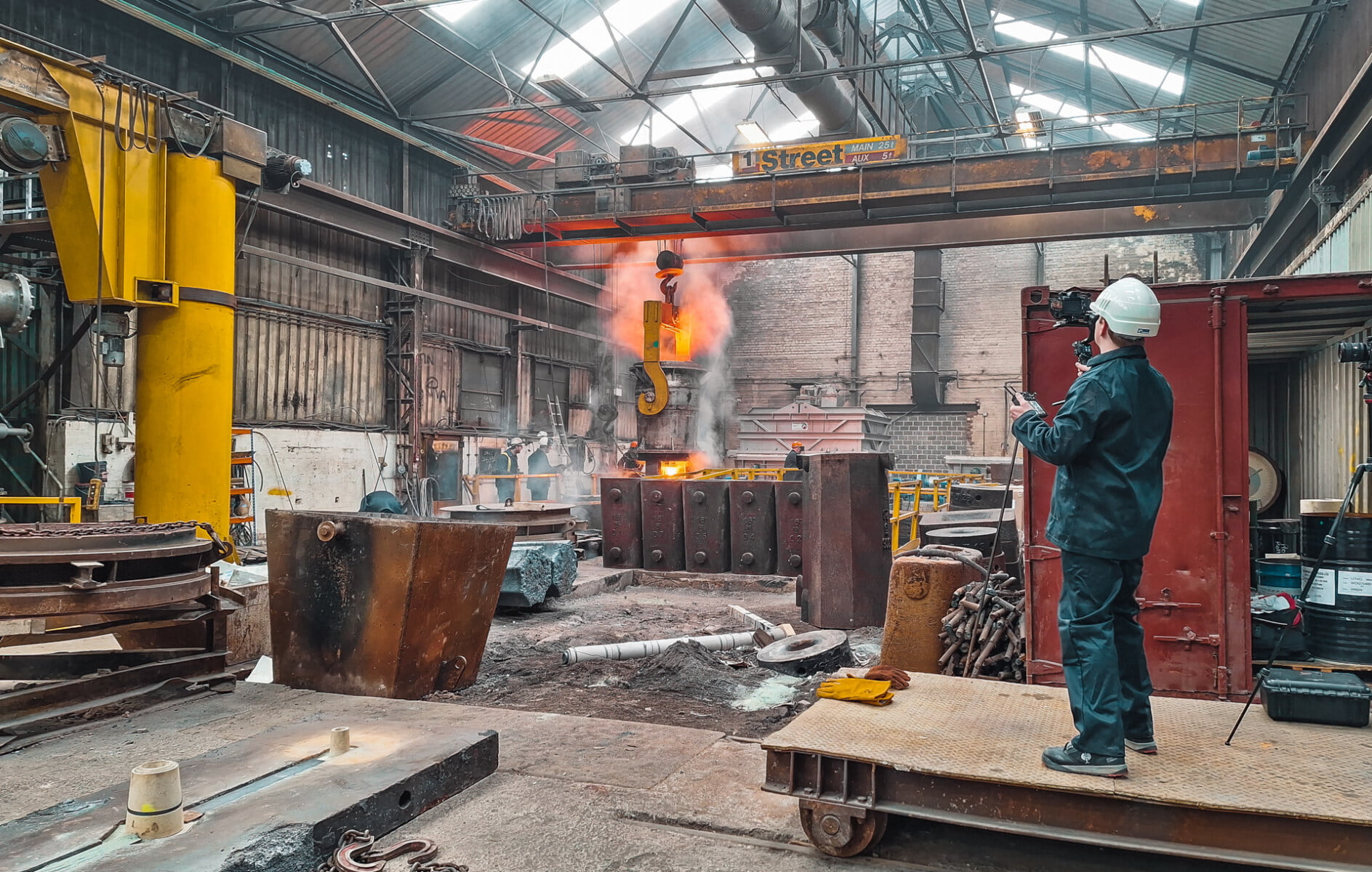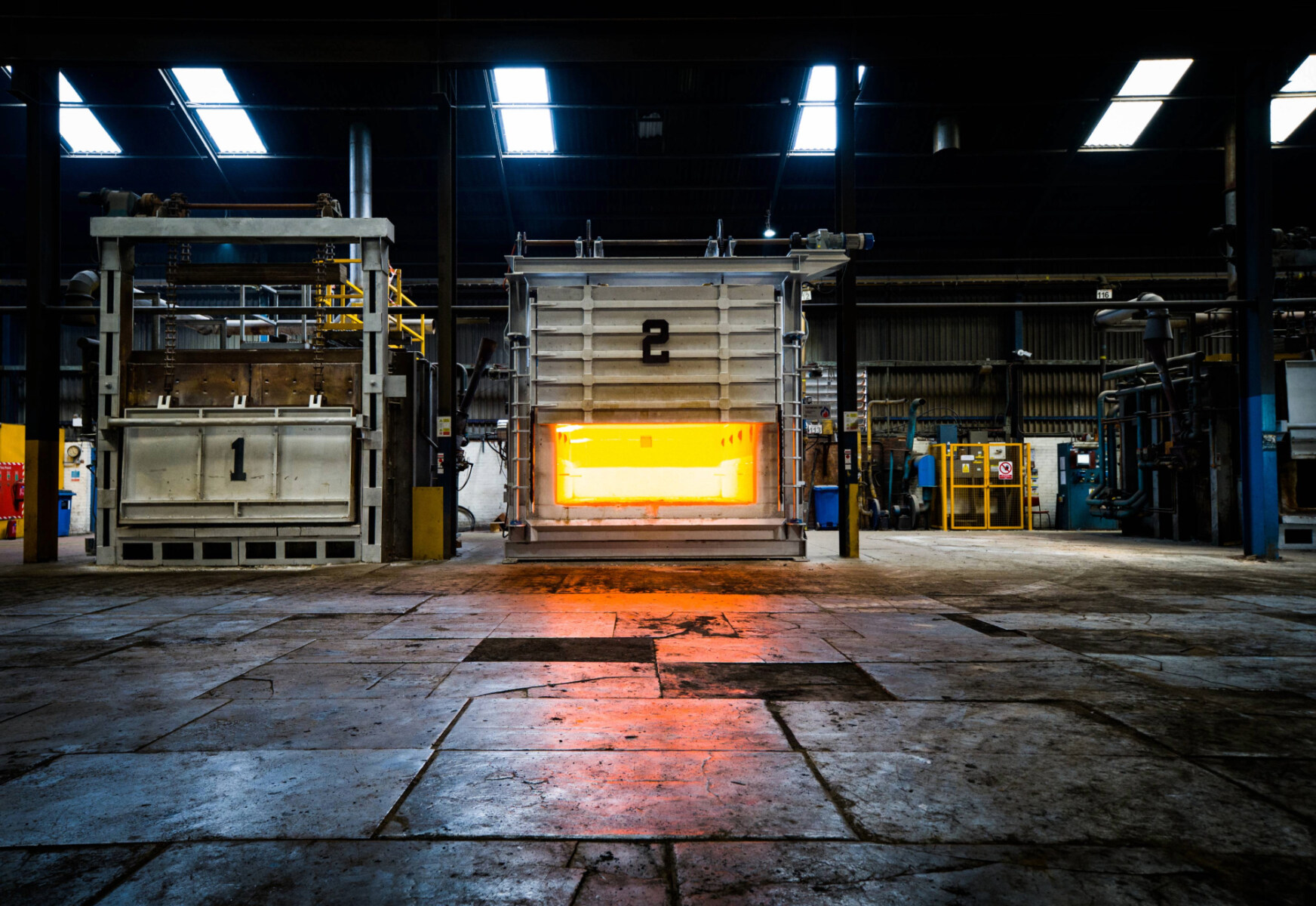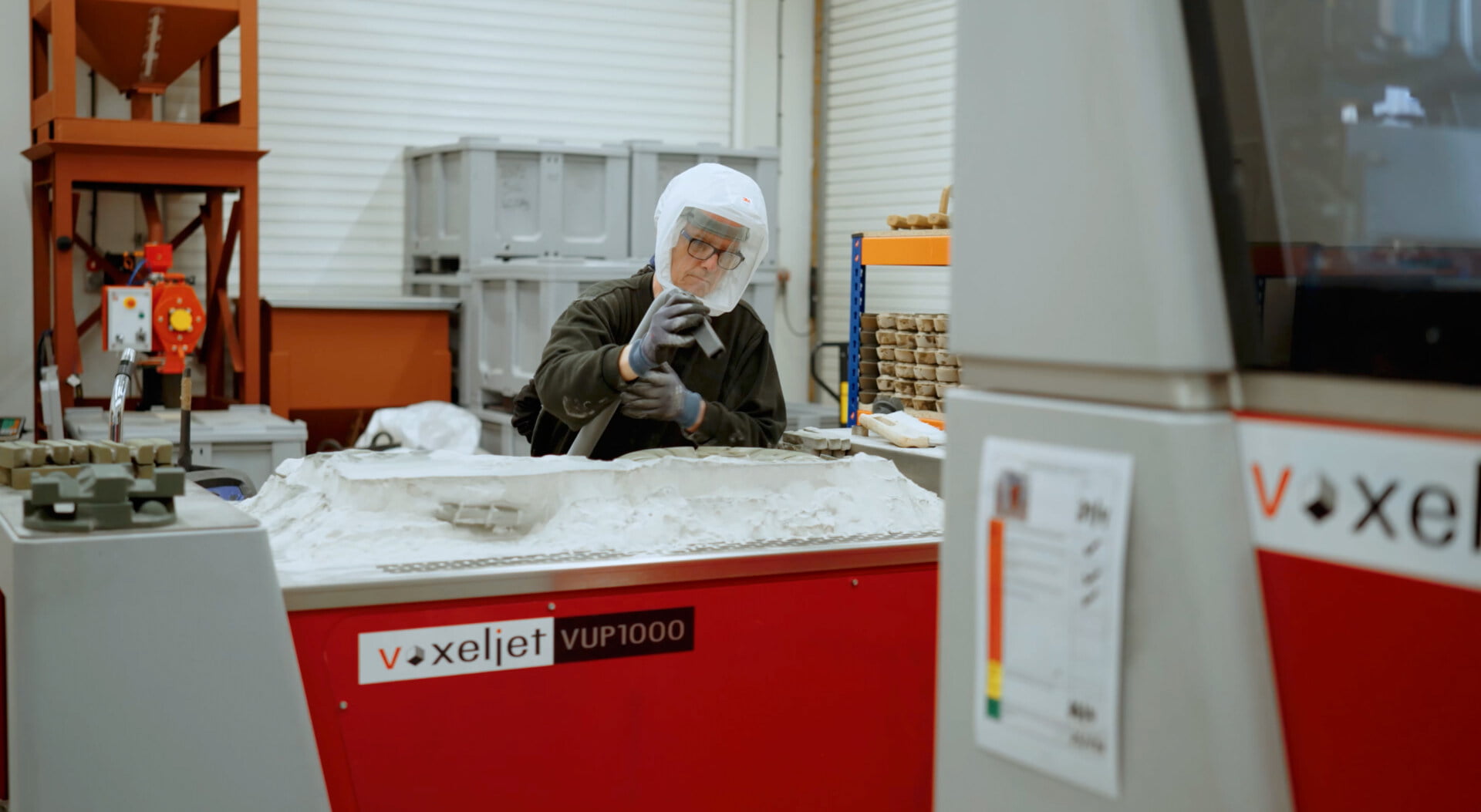
Maintenance planning is often judged by what does not happen: no unexpected stoppage, no rushed parts order, no contractor waiting at the gate and no shift team left wondering which job comes next. Yet the evidence planners need to make those outcomes repeatable is frequently scattered across work orders, handover notes, photographs and the memory of experienced technicians. Manufacturing video gives teams a practical way to capture the real conditions around planned work and turn them into a shared operating reference.
A well-planned production video is not a substitute for a permit, risk assessment or maintenance instruction. It is a visual layer that shows how a task fits into the working environment: where access is restricted, how equipment is isolated, which tools are staged first and what sequence keeps production and maintenance teams out of each other’s way. That context helps planners challenge assumptions before a job reaches the schedule.
Make the work package easier to trust
Many planning problems appear between the standard job plan and the physical asset. A document may say that a guard must be removed, but not show the space needed to remove it safely. A parts list may be correct, but not explain where components can be placed without blocking an escape route or a neighbouring line. A short, carefully framed video can show these constraints to the people who plan, approve and execute the work.
This is particularly useful when a planner is working from an older asset register or supporting a site they do not visit every day. Reviewing footage with a technician can expose missing preparation steps while there is still time to correct the job pack. It also creates a stronger basis for estimating labour, access time and production impact. The result is not simply a more detailed document; it is a work package that reflects the way the job will actually unfold.
The same principle applies to maintenance reliability improvements. When the visual evidence is available alongside the planner’s notes, recurring problems become easier to describe and easier to prioritise. A team can see whether a delay comes from poor access, unclear ownership, weak preparation or an equipment condition that has changed since the last intervention.
Reduce surprises during shutdowns and interventions
Shutdown work creates pressure because many dependencies converge in a narrow window. Contractors arrive, isolations are coordinated, materials move through shared routes and production leaders want credible progress updates. A pre-work video can help the team walk through the sequence before the clock starts. It can show the intended access route, the location of temporary equipment and the points where one task must finish before another can begin.
That visual rehearsal gives planners a way to identify clashes that are easy to miss in a spreadsheet. Perhaps a lifting operation needs the same space as an inspection team. Perhaps a temporary barrier will prevent access to an adjacent asset. Perhaps a cleaning stage creates a handback condition that has not been included in the original estimate. Finding these issues during preparation protects the schedule and reduces the need for improvisation in a live operating environment.
It also supports more useful daily coordination. Instead of reporting that a job is “on track”, supervisors can refer to the specific stage shown in the agreed sequence and explain what is complete, what is waiting and what decision is needed. This is closely related to the value of better shift handover routines: shared visual reference makes status clearer when responsibility moves between people.
Build knowledge that survives personnel changes
Planned maintenance often depends on a small number of people who know the asset’s quirks. They understand which cover sticks, which valve needs a particular approach and which apparently minor condition signals a larger problem. When that knowledge remains informal, the business becomes vulnerable to absence, retirement, contractor turnover and rapid growth.
Recording the right moments creates a reusable learning asset. New planners can watch how an experienced technician prepares the job, while production colleagues can understand why a particular isolation or access rule matters. The footage can be clipped into short modules for onboarding, reviewed during toolbox talks or attached to a planning library by asset, system or task type. Its value grows when it is labelled clearly and reviewed as part of the maintenance process rather than stored as an isolated film.
Video also helps connect technical knowledge with continuous improvement. A planning team can compare the intended sequence with what happened on site, then use the difference to improve future work. For organisations trying to transfer critical process knowledge, that loop is important: capture, review, refine and make the better method visible to the next person.
Plan the production around decisions, not decoration
The most effective maintenance-focused manufacturing video starts with a planning question. Is the team trying to reduce preparation time, improve shutdown coordination, support contractor induction or preserve expert knowledge? That decision should shape the locations filmed, the people involved and the questions asked on camera. A short sequence showing access and isolation may be more useful than a polished tour of the whole facility.
Keep the final asset easy to find and easy to use. Use precise titles, link clips to the relevant asset or job family, and agree who owns review when equipment or procedures change. With that discipline, video becomes part of maintenance planning rather than an occasional communications project. It gives planners a clearer view of the work, gives technicians a better way to explain reality and gives leaders stronger evidence that planned work is genuinely ready to run.